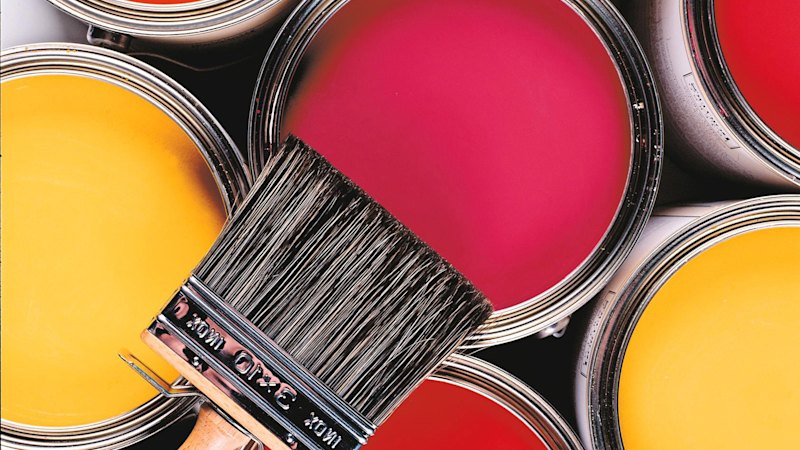
Several outlets run a feature examining how people have struggled to agree on names for colours and how those names have evolved over time. The articles describe recurring attempts by lexicographers, scientists and industry groups to categorize the visible spectrum and turn it into usable language for everyday life and commercial standards.
Across the pieces, the central context is that colour perception is not fully uniform and that no single system perfectly matches how humans see and describe colour. The feature compares approaches used in different eras, including dictionary-based listings, scientific efforts to define colour numerically, and industrial methods aimed at consistency in manufacturing and design. While the outlets share the same theme, they focus on different parts of the problem—for example, the role of language and translation for lexicographers, the measurement challenges for scientists, and the practical need for standardisation for industries.
Together, the articles portray colour naming as an ongoing process rather than a settled reference, shaped by changes in knowledge, technology and cultural usage.