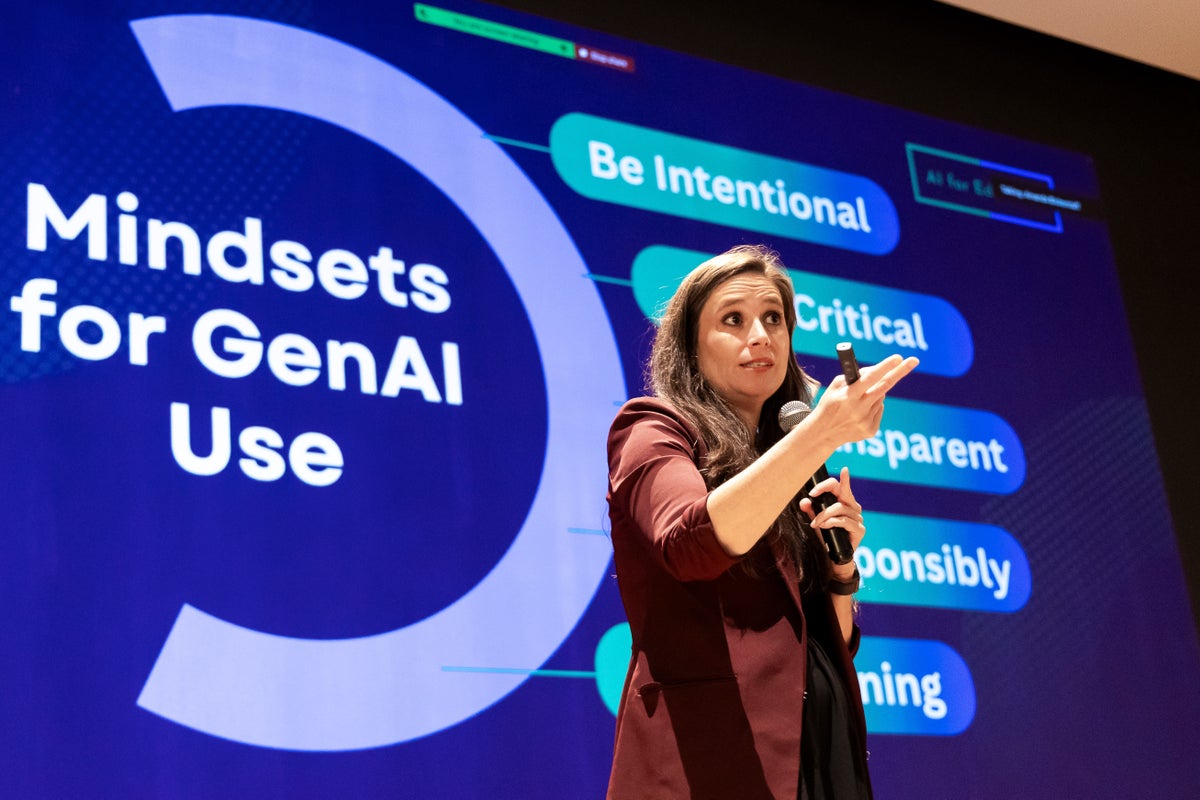
Schools are increasingly introducing AI literacy lessons, with many programs emphasizing how students should understand and evaluate chatbots rather than treating them as infallible tools. Reporting across outlets describes classroom approaches that encourage students to test answers, recognize when the information may be wrong, and learn how AI systems generate responses.
The context is a rapid rise in public use of generative AI and growing concerns among educators about accuracy, bias, and overreliance. Some coverage frames the effort as a practical response to classroom challenges posed by student and teacher use of chatbots. Others highlight the broader goal of building digital and informational skills so students can question outputs and use AI responsibly.
While both outlets discuss the same general shift in education, their emphasis varies: one focuses more on the role of teachers and the specific need to help children identify chatbot “flaws,” while another situates the development within Canadian education discussions. Overall, the reporting converges on the view that AI literacy now includes critical evaluation of how chatbots behave.