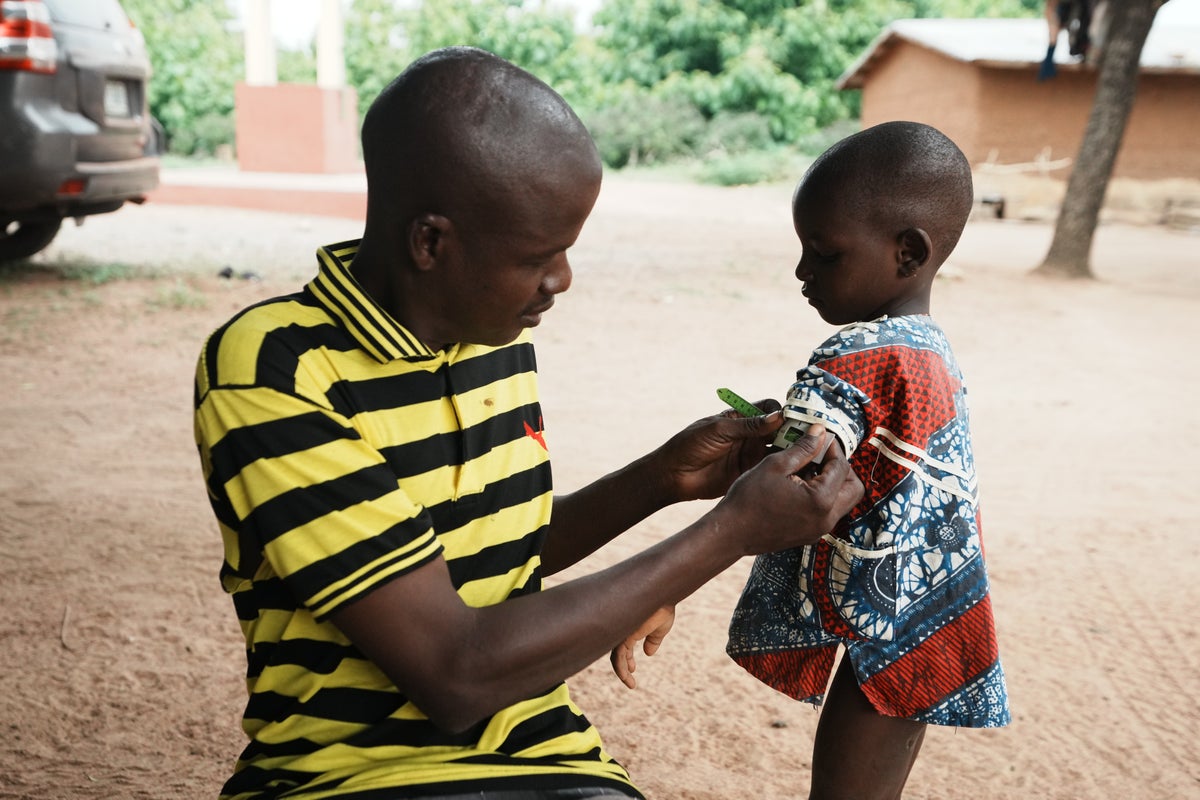
In Benin, about one-third of children under five are stunted, according to reporting that links the problem to poor nutrition. The coverage says widespread undernutrition contributes to chronic growth delays even as the country has access to food and natural resources.
The outlets also point to non-nutritional factors that shape feeding and health practices. They cite misinformed or harmful views about child rearing and diet, alongside constraints that can affect access to adequate, diverse meals and proper childcare. Together, these factors limit children’s ability to recover from early-life nutritional shortfalls and increase the likelihood of long-term developmental impacts.
While the shared reporting centers on the same indicators and drivers—stunting prevalence, malnutrition, and misconceptions—the outlets differ mainly in emphasis. One focuses on how both biological and social factors reinforce chronic undernutrition, while the other reiterates the same core findings without adding a contrasting policy or geographic angle in the provided text.