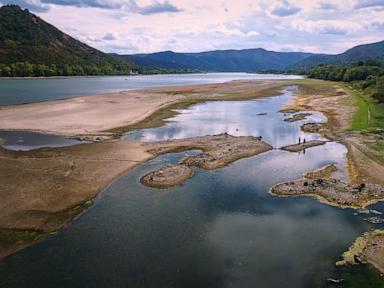
Hungary’s drought has driven record-low water levels at Lake Velence, disrupting daily activities and exposing the effects of decades of water management. Boats struggle to operate, and some swimming beaches close as conditions become unsafe or unsuitable.
The reports describe Lake Velence as a prominent example of how reduced rainfall and ongoing dry weather intensify pressure on water resources. With water levels falling to unusual lows, impacts extend to recreation and local infrastructure, including access for boating and beach use.
While the outlets use similar descriptions of the shortages at the lake, they frame the story slightly differently: some emphasize the immediate practical effects—such as closed beaches and difficult boating—while others place these impacts in a broader historical context, noting that Hungary drained and managed waters for generations. Across coverage, the common theme is that drought is making long-standing decisions and their environmental trade-offs more visible, with the crisis worsening as water remains scarce.