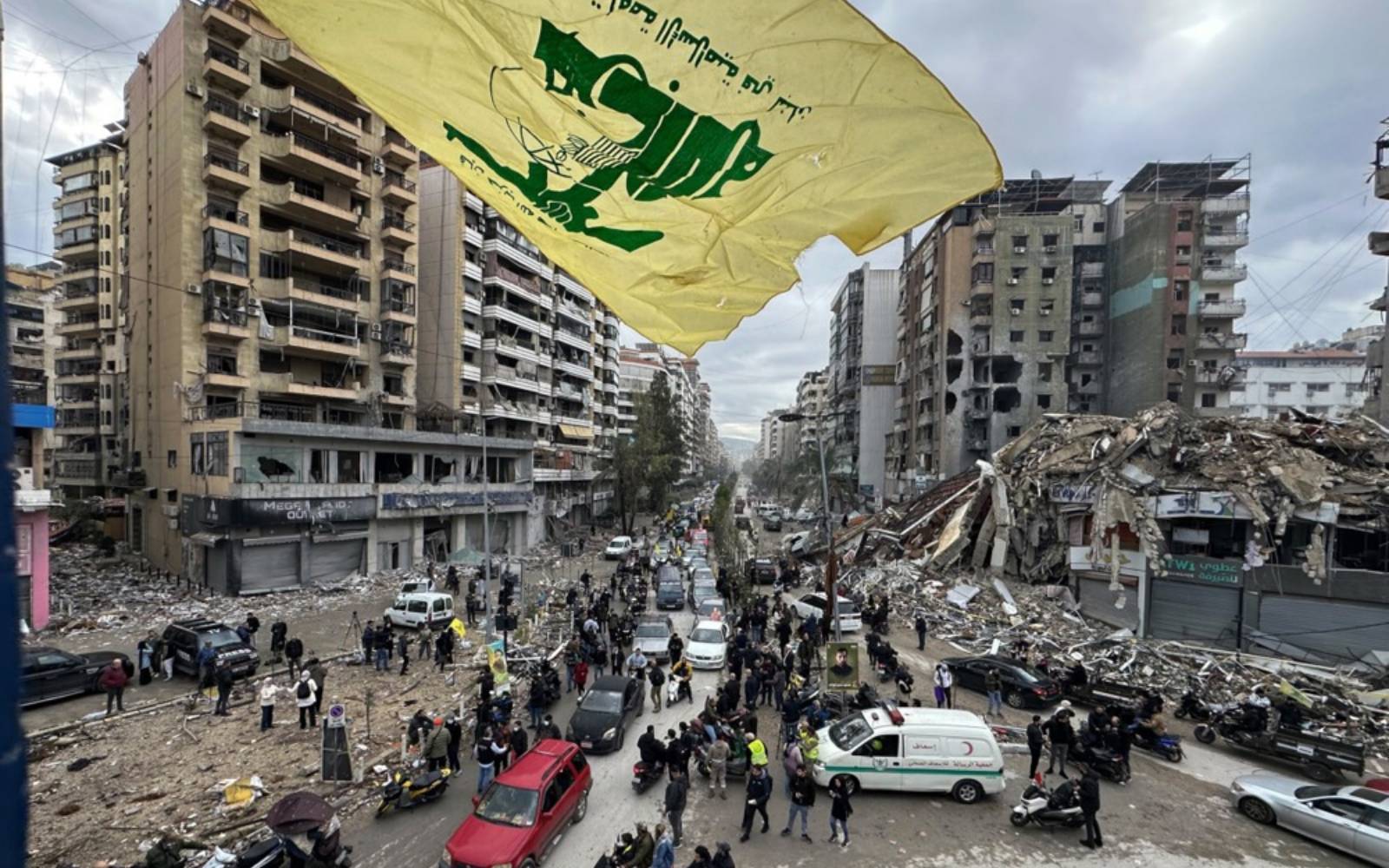
The World Bank projects that Lebanon’s economy will contract by 6.4% in 2026, citing the impact of the ongoing war and related disruptions. In its report, the World Bank links the expected decline to a collapse in tourism, weaker household consumption, disrupted supply chains, heightened insecurity, and prolonged displacement.
The World Bank also forecasts rising inflation, expecting prices to increase by 17.5% during the year. It attributes the inflation pressure to supply disruptions, higher shipping costs, and rising oil prices, which it says reduce purchasing power. While some outlets emphasize the economic damage from the conflict, they all reference the same drivers described by the World Bank.
Contextually, the World Bank says Lebanon’s economy had been showing improvement before the latest fighting, with estimated real GDP growth of 4.2% in 2025—the fastest growth since the start of the 2019 financial crisis. The report adds that advancing reforms, particularly around banking sector restructuring and fiscal management, would be important for restoring confidence and enabling reconstruction and recovery financing.