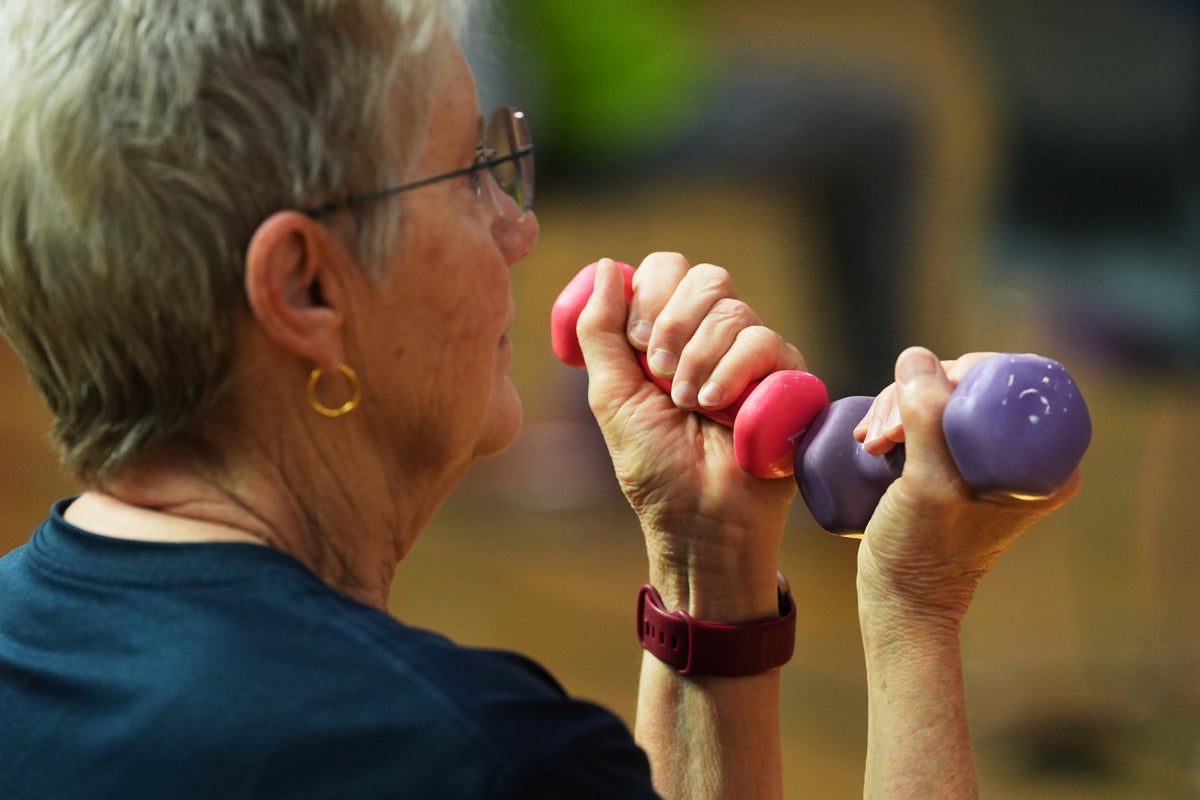
Strength and mobility tests are increasingly promoted as ways to gauge healthy aging, using measures such as physical capability and functional movement. Advocates and some clinicians use results to flag risk, track changes over time, and help tailor exercise or rehabilitation.
However, the sources stress that these tests do not work like a definitive “crystal ball.” People age differently, and performance on a given test can be influenced by factors beyond long-term health, including current activity levels, injury history, motivation, and day-to-day variability. Both outlets caution that while the tests can offer useful insights, they are not reliable predictors on their own for outcomes such as overall lifespan.
The reporting also contrasts common marketing claims with a more cautious interpretation: test results may correlate with broader health trends, but correlation does not guarantee an accurate forecast for an individual. Instead, the tests are presented as one input among many—best used in combination with clinical context, health history, and ongoing assessment rather than as stand-alone measures of longevity.