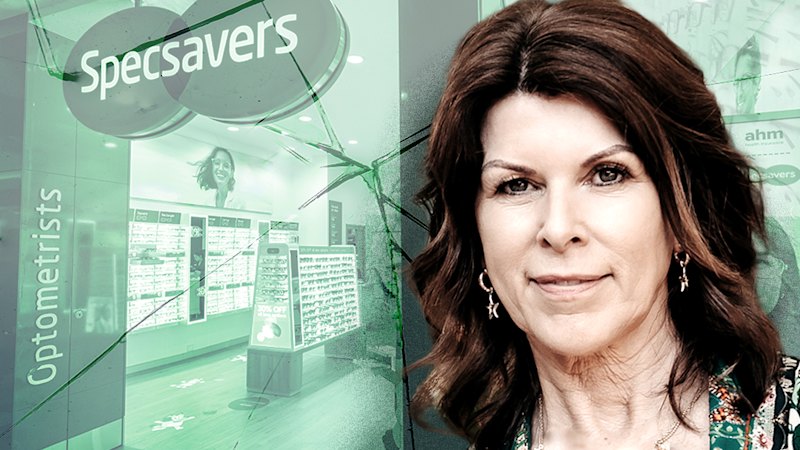
A woman, Nicole, says a Specsavers optometry appointment led her to receive glasses for refractive error when she later developed a car accident. She alleges that signs consistent with cataracts were not properly identified at the time and that the glasses prescribed did not address the underlying issue.
According to reporting cited by multiple outlets, a leading researcher argues that Nicole’s cataracts should have been detected earlier and that the problem may have been missed during the eye assessment. The articles describe cataracts as a condition that can affect vision quality and emphasize that earlier identification could have changed what her glasses needed to correct.
The coverage focuses on whether the vision testing performed met expectations for detecting cataract-related changes. While the shared theme is that cataracts were overlooked and that this may have contributed to impaired vision, the outlets differ mainly in how they frame the expert’s criticism and the sequence of events surrounding the prescription and subsequent driving incident. The reporting centers on the dispute between the customer’s account and expert commentary, including questions about screening and diagnosis in routine retail eye care.