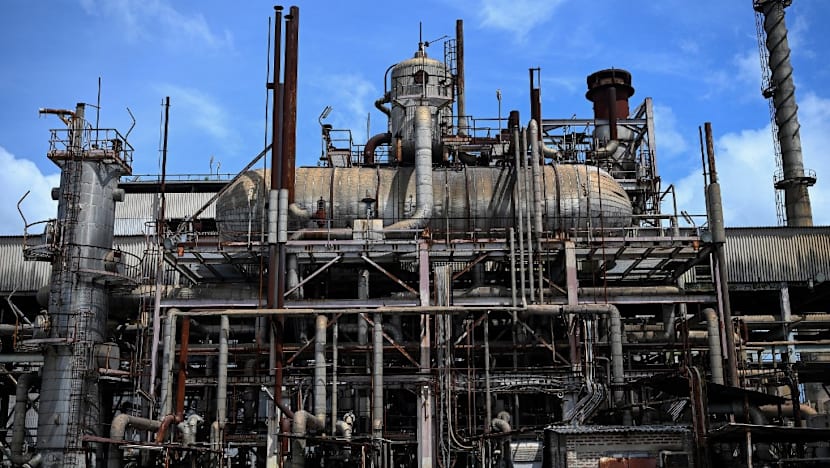
Bangladesh’s natural gas shortage is disrupting fertiliser production, power generation and daily life, with factories affected and regular blackouts reported. The shortages also interfere with transport operations, according to coverage of the impact across multiple sectors.
The problem is rooted in a widening supply-demand gap. Reports note that Bangladesh was largely self-sufficient in natural gas in 2018, but production declines as older gas fields deplete. At the same time, demand is rising, increasing pressure on available supply.
While outlets agree on the disruption to economic activity and household services, they differ slightly in emphasis. One focuses on immediate consequences such as reduced production and blackouts, while another highlights the longer-term production decline and demand growth that drive the crisis. Both portray an ongoing constraint in meeting gas needs, with effects spanning energy, food-related industries and public services.