


A Justice Department initiative described as an “anti-weaponization” fund—worth about $1.776 billion—has triggered bipartisan criticism and legal questions, and the Trump administration now signals it is backing off or dropping the plan. The fund is intended to provide payouts to people who argue the legal system was “weaponized” against them. Lawmakers from both parties denounce the proposal, with some Democrats characterizing it as a slush fund meant to route taxpayer money to Trump political allies. Multiple reports say President Trump and the administration defend the effort as a “great idea,” while also laying out eligibility concerns, including questions about whether groups tied to recent high-profile legal matters could qualify. CBS News reports that experts raise immediate issues about the legality, implementation, and enforcement of the program. Separate coverage describes acting Attorney General Todd Blanche as saying the DOJ will not proceed with the fund after backlash from Democrats and Republicans. Bloomberg reports Trump attributes the collapse to a court block, while also noting the program becomes a political flashpoint.
Trump administration drops $1.776 billion “anti-weaponization” fund after bipartisan backlash
A Justice Department initiative described as an “anti-weaponization” fund—worth about $1.776 billion—has triggered bipartisan criticism and legal questions, and the Trump administration now signals it...
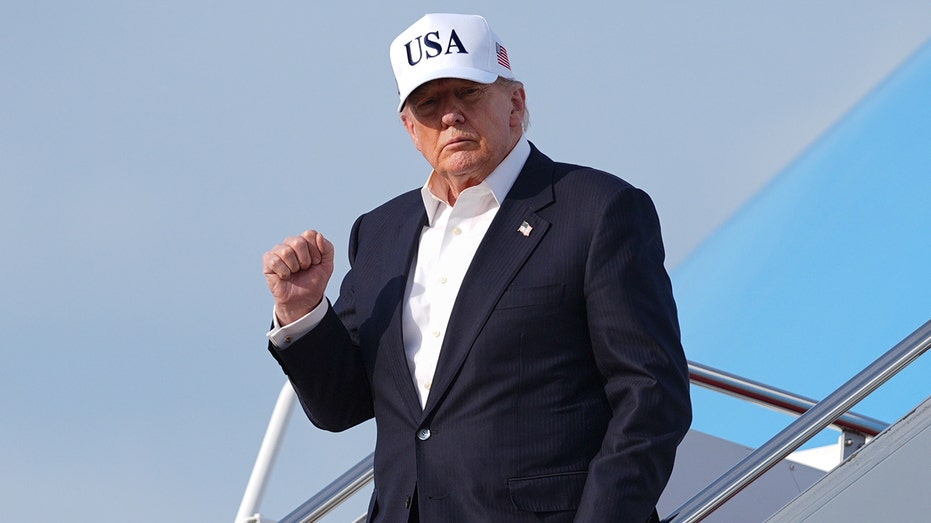
- The Justice Department proposed an “anti-weaponization” fund of about $1.776–$1.8 billion to provide payouts to alleged victims of government “weaponization.”
- Lawmakers from both parties criticize the plan, with some calling it a slush fund for Trump allies.
- The proposal faces legal questions about its legality, implementation, and enforcement, according to experts cited by CBS News.
- Acting Attorney General Todd Blanche says the administration will drop or not move forward with the fund after bipartisan backlash.
- President Trump says he supports the idea but links the plan’s collapse to court action in at least some reporting.
The Anti-Weaponization Fund was billed as a remedy for years of government overreach. But as George Gerbo reports, the Trump DOJ's plan collapsed under pressure from federal courts, skeptical Republican senators and questions about who would really benefit.
2 months agoThe US Justice Department says it has dropped plans for a $1.8 billion “anti-weaponization” fund that critics denounced as a “slush fund” for President Donald Trump’s supporters.
2 months agoTrump officials are secretly telling Trump’s supporters that his $1.776 billion Anti-Weaponization Fund is still on, even as they publicly say that it’s dead.The Atlantic reports that staffers in the Justice Department and White House are still telling Trump allies that they will get some form of payment, looking at ways to activate parts of the slush fund and alternative methods of compensating Trump loyalists at the same time, even though last week, Acting Attorney General Todd Blanche said publicly that “we are not moving forward with the fund.”The DOJ has refused to put the fund’s demise in writing, even after being pressed by a federal judge on Wednesday. When asked why they were refusing, DOJ lawyers replied, “I don’t know,” suggesting that work is going on behind the scenes. Judge Richard Leon warned the administration that if they say the fund is dead, they had better not be lying.Inside the administration, officials are reportedly divided on whether the fund will come to fruition. Anonymous sources told The Atlantic that the administration is continuing to work on the fund quietly, hoping the objections will dissipate and the story will leave the news cycle.“Trump didn’t want to fight this out in public,” one DOJ official told the publication. Blanche’s nomination as attorney general is already facing opposition from some Senate Republicans, like Thom Tillis and John Curtis, who are threatening to hold it up to ensure the Anti-Weaponization Fund is officially killed. The fund faces legal challenges, as well, with Republican Senator Bill Cassidy joining his Democratic colleague Cory Booker in a court filing supporting a lawsuit against the fund.A White House official told The Atlantic in an email that “any speculation about potential future actions is just that—speculation. President Trump remains committed to addressing Biden-era weaponization.”As the midterms approach, the fund will be politically toxic for Republicans, and Democrats will certainly be using it as campaign fodder. The Trump administration has to know this, but will it take the safe option and kill it, or try to keep its efforts hidden until after November?
2 months agoPresident Trump on Friday defended his administration’s short-lived “anti-weaponization” fund, days after acting Attorney General Todd Blanche said that the Department of Justice (DOJ) was not moving ahead with it. “So me, personally, I think the weaponization fund is a great idea, and so do many other Republicans,” Trump told host Kristen Welker on NBC’s...
2 months agoPresident Trump expressed support Sunday for the now-defunct $1.8 billion fund to compensate people who say they were targeted by the Biden administration's "weaponization" of government but stopped short of committing to revive it.
2 months ago
U.S. imposes 50% tariffs on $20 billion in Canadian goods; Canada announces retaliation
The United States imposes 50% tariffs on about $20 billion worth of Canadian products early Saturday, after last-ditch n...

Samsung Galaxy S27 Ultra and Pro get leaked horizontal rear camera redesign
Multiple outlets report new leak materials suggesting Samsung’s Galaxy S27 Ultra and Galaxy S27 Pro may bring a major ch...
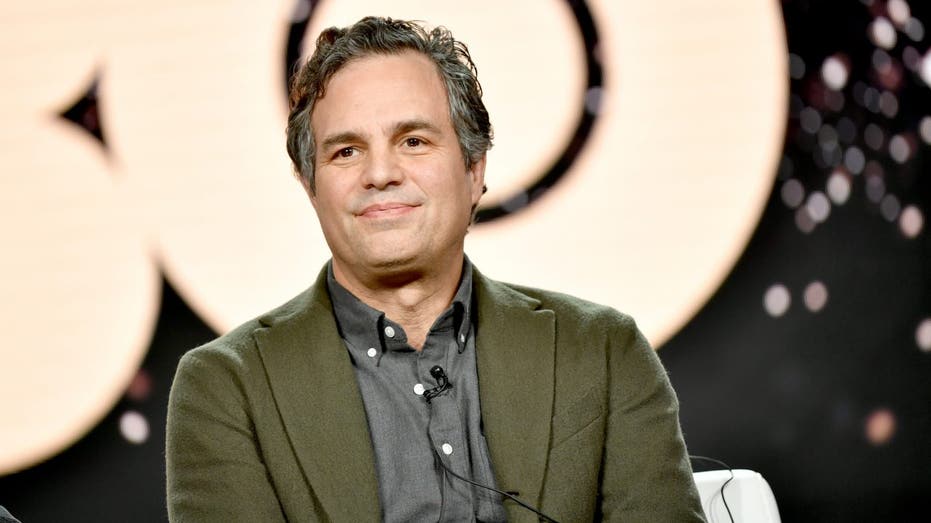
Mark Ruffalo rejects Paramount’s antisemitism accusation over Warner Bros merger criticism
Mark Ruffalo responds after Paramount Skydance calls his criticism of a proposed Paramount–Warner Bros. Discovery merger...