


Across multiple outlets, the F4F Wildcat is described as a small, largely outnumbered and often outclassed Allied fighter during World War II that nevertheless achieves notable operational success. The articles characterize the Wildcat as a “little fighter that could,” emphasizing that it is frequently facing aircraft with superior performance or greater numbers on the battlefield. Despite those disadvantages, the Wildcat is portrayed as continuing to perform effectively in combat situations rather than being sidelined by more advanced enemy or Allied aircraft. The common theme is that the aircraft’s reputation is built on persistence and practical battlefield value, even when compared with better-known or more advanced fighters of the era. Taken together, the sources do not focus on detailed tactics or specific engagements; instead, they provide a broad assessment of the aircraft’s role in the Allied air war and its ability to deliver results under unfavorable conditions. Overall, the narrative is consistent: the Wildcat’s contribution is recognized as meaningful precisely because it succeeds despite being frequently outmatched.
F4F Wildcat earns praise as outmatched WWII fighter
Across multiple outlets, the F4F Wildcat is described as a small, largely outnumbered and often outclassed Allied fighter during World War II that nevertheless achieves notable operational success. Th...
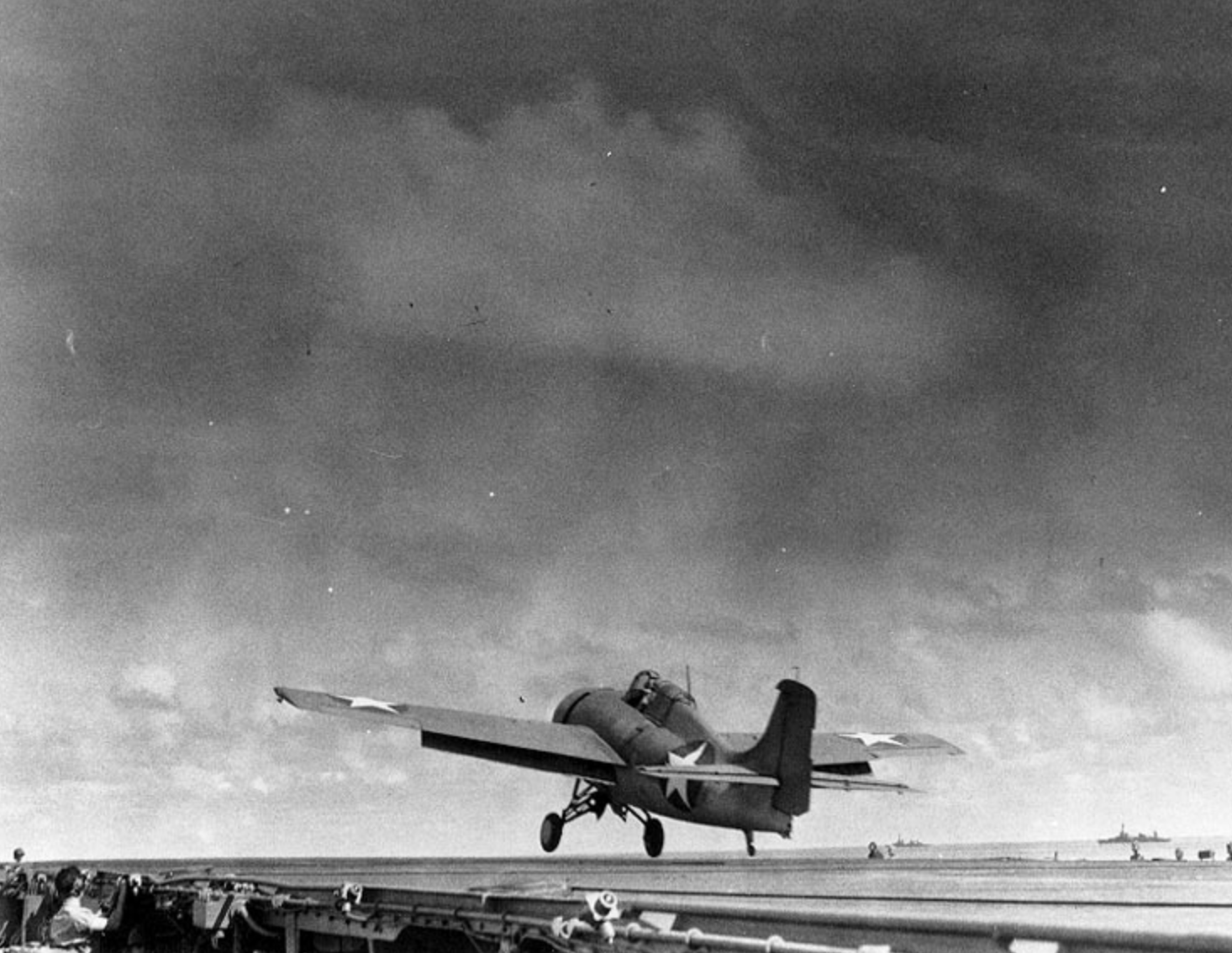
- The F4F Wildcat is presented as an Allied WWII fighter.
- Sources describe the Wildcat as usually outnumbered in combat.
- Sources describe it as often outclassed by opposing aircraft.
- Despite disadvantages, the aircraft is credited with proving effective in wartime operations.
- All outlets summarize the Wildcat’s reputation as one of persistence and battlefield value.
Many Allied aircraft achieved greatness during WWII, but the Wildcat, usually outnumbered and almost always outclassed, proved to be a stubby hero.
3 months agoMany Allied aircraft achieved greatness during WWII, but the Wildcat, usually outnumbered and almost always outclassed, proved to be a stubby hero.
3 months agoMany Allied aircraft achieved greatness during WWII, but the Wildcat, usually outnumbered and almost always outclassed, proved to be a stubby hero.
3 months ago
US moves to target Palestine Action in counterterrorism effort focused on ‘far-left’ groups
The US is taking steps to target Palestine Action as part of a counterterrorism effort aimed at groups described as “far...

Aston Villa agree Ollie Watkins sale to Al Hilal, Nicolas Jackson targeted as replacement
Aston Villa reach an agreement to sell striker Ollie Watkins to Saudi club Al Hilal, according to multiple reports. The...

Unreleased Dolly Parton song locked away in 2015 will be released in 2046
Dolly Parton has an unreleased song, “My Place in History,” that was written and sealed away in 2015 and will not be hea...