


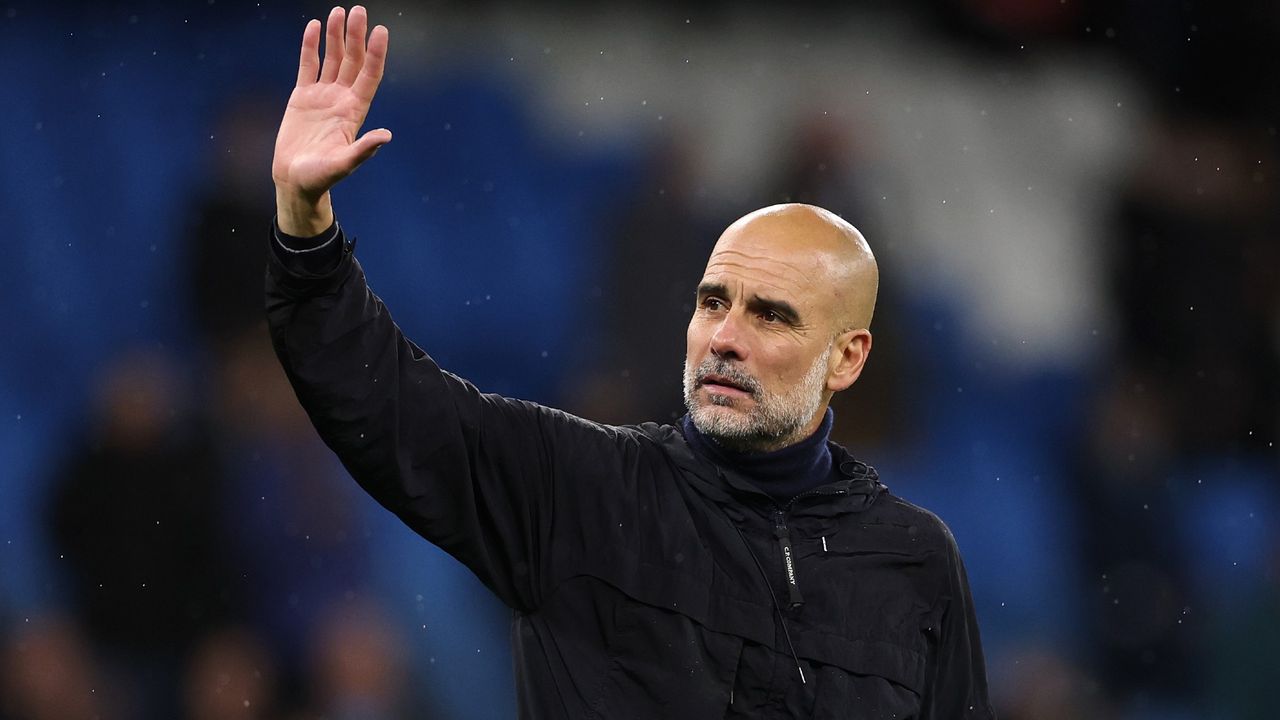
Pep Guardiola’s impending departure from Manchester City marks the end of a decade that multiple outlets describe as transformative for English football. While some commentators emphasize his tactical “genius” and the lasting imprint of his teams’ style—particularly his focus on passing, manipulation of space, and frequent adaptation to different contexts—others note that his legacy is debated. Several sources reference the idea that critics sometimes portray him as a “chequebook manager,” suggesting that his successes are intertwined with substantial resources and support.
Across the coverage, there is broad agreement that Guardiola’s time in England has significantly altered how top sides approach games, influencing the broader direction of the sport in the country. The Guardian and other outlets highlight his willingness to “revolutionize” and adapt rather than repeat a single fixed system. BBC and Independent coverage similarly frames his impact as enduring beyond his tenure.
Multiple reports also point to Guardiola’s trophy record and the scale of his achievements with City, portraying his decade as both highly successful and part of a broader shift in club football. At the same time, some writers stress that his legacy is “mixed,” reflecting ongoing debate about what factors most shaped his dominance.


