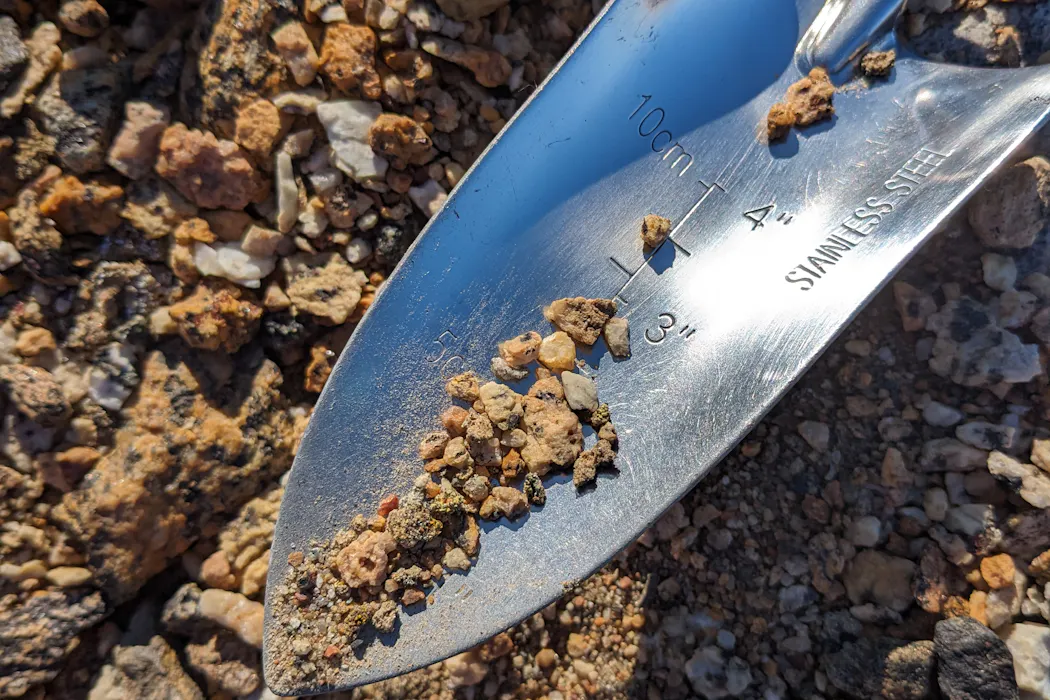
Researchers report that bacteria living in Antarctic soils persist despite extreme cold and dryness by sharing genes that help them withstand harsh environments. The study highlights that microbial communities rely on collective genetic strategies rather than each organism acting alone.
Across Antarctic soil samples, scientists find evidence that “horizontal gene transfer” allows genes to move between bacteria. These transferred genes can provide survival functions needed under extreme conditions, effectively letting the community pool adaptive traits over time.
The outlets emphasize the same core point: Antarctic microbes survive by exchanging crucial “life-support” capabilities. The Phys.org and The Conversation both frame this as a communal strategy grounded in genetic transfer, focusing on how microbes spread useful tools across the microbial ecosystem rather than keeping them confined to individual lineages.