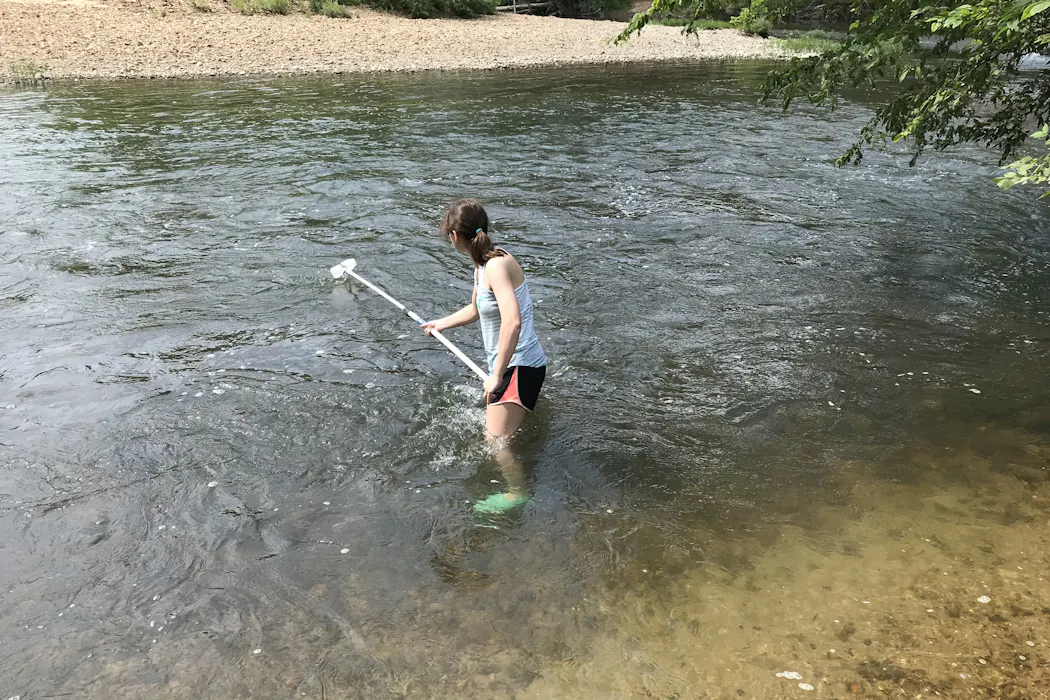
Researchers collect water from multiple streams in Missouri’s Ozarks as part of fish monitoring with the Missouri Department of Conservation, using environmental DNA (eDNA) to detect fish species. A broader survey of several rivers and streams finds more than expected, including fish that were not anticipated in some locations.
Beyond cataloguing fish presence, the findings also connect present-day river ecosystems to older regional events. The eDNA results reveal a “living link” between today’s fish distributions and the Ozarks’ complex geologic history, suggesting that past changes to the landscape help explain current patterns in where species occur. While both outlets describe the same study and approach, they emphasize different takeaways: one frames the work around the discovery of unexpected species, and the other highlights how the biological evidence helps interpret the region’s geological development. Overall, the reporting agrees that water sampling and eDNA analysis provide insights into both biodiversity and the long-term history shaping aquatic habitats.