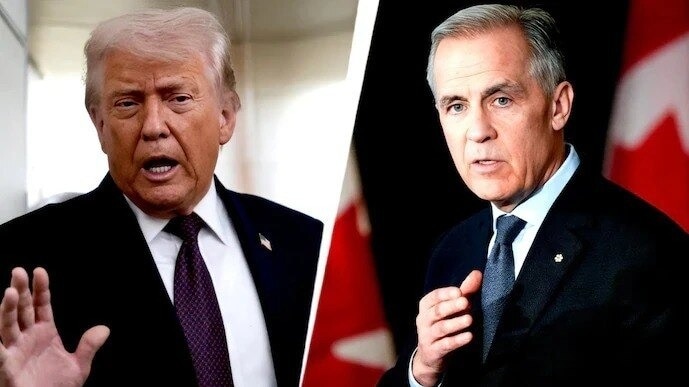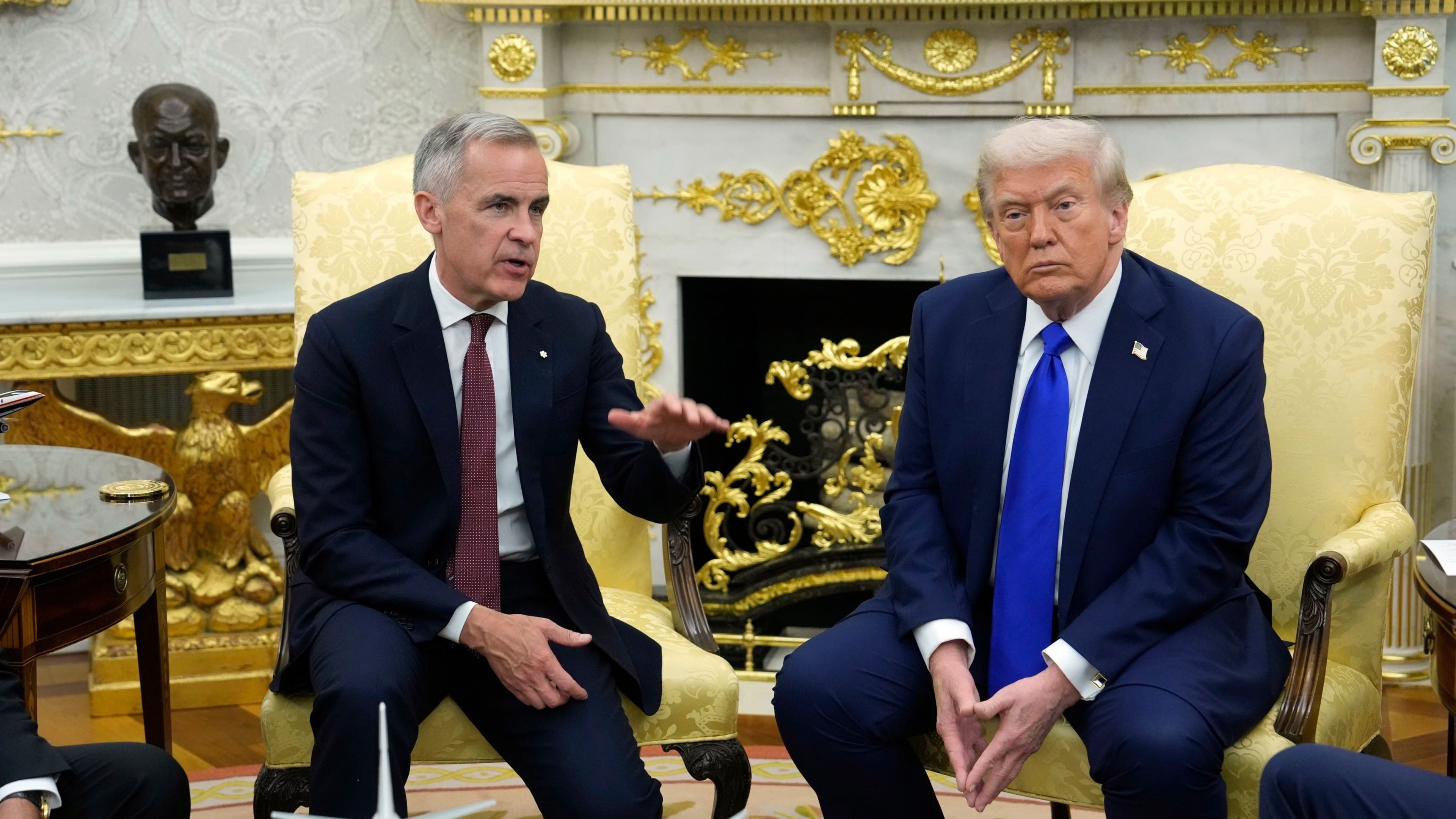
The United States and Canada are deepening their trade dispute by imposing new tariffs after negotiations collapse. The measures follow heightened tensions and public recriminations between the two countries, with both sides warning that the tariff increases will affect costs for goods sold in their respective markets.
The reporting describes the situation as an escalation between close allies sharing a long, undefended border. Across outlets, the central context is that talks fail to produce an agreement, leading to retaliation through tariffs rather than a negotiated settlement. The coverage also highlights that each side points to the other as the cause of the breakdown, setting a confrontational tone as the tariff changes take effect.
While the accounts align on the basic sequence—talks end, tariffs are added, and prices are expected to rise—outlets differ in emphasis and attribution. One frames the dispute largely through the lens of blame and angry exchanges, while other coverage focuses more on the broader escalation and its implications for trade and consumers in both countries.