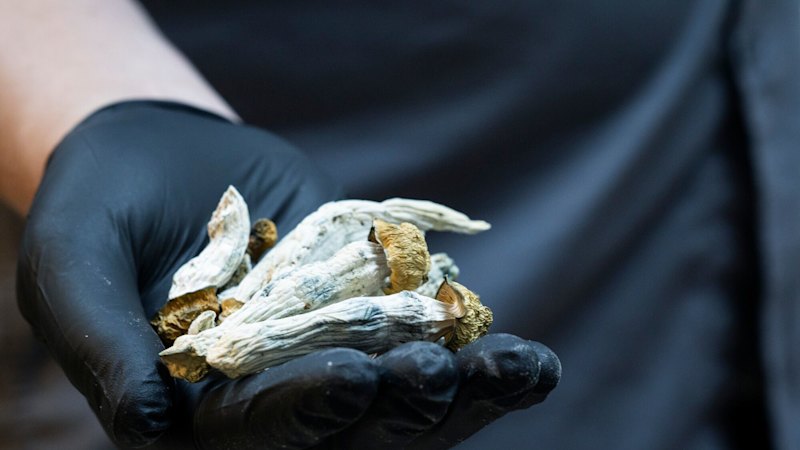
Multiple Australian outlets report on an MRI-based examination of psilocybin (“magic mushrooms”) and how the substance affects brain activity. The articles focus on images and data from brain scans to show what researchers observe during exposure, rather than on broad, promised health outcomes.
Across the coverage, outlets describe that psilocybin has been discussed online and in some reports as potentially helping with conditions ranging from anxiety to Alzheimer’s disease. However, the reporting emphasizes that the evidence and conclusions should be interpreted cautiously, pointing to how a key graph or dataset presented in the study does not support sweeping claims. Instead, the scan results are portrayed as specific, measurable brain changes occurring under experimental conditions.
While the articles share the same central message—using MRI findings to ground discussion in observed data—each outlet frames the takeaway slightly differently. The shared angle is that the scans provide a concrete view of brain effects, but do not equate directly to proven treatment for the wider range of illnesses often attributed to the substance.