The U.S. Strategic Petroleum Reserve (SPR) is facing operational and engineering constraints as its remaining stocks fall below roughly 300 million barrels, according to recent reporting. The concern is that the SPR’s ability to store or extract oil may become increasingly constrained as volumes decline.
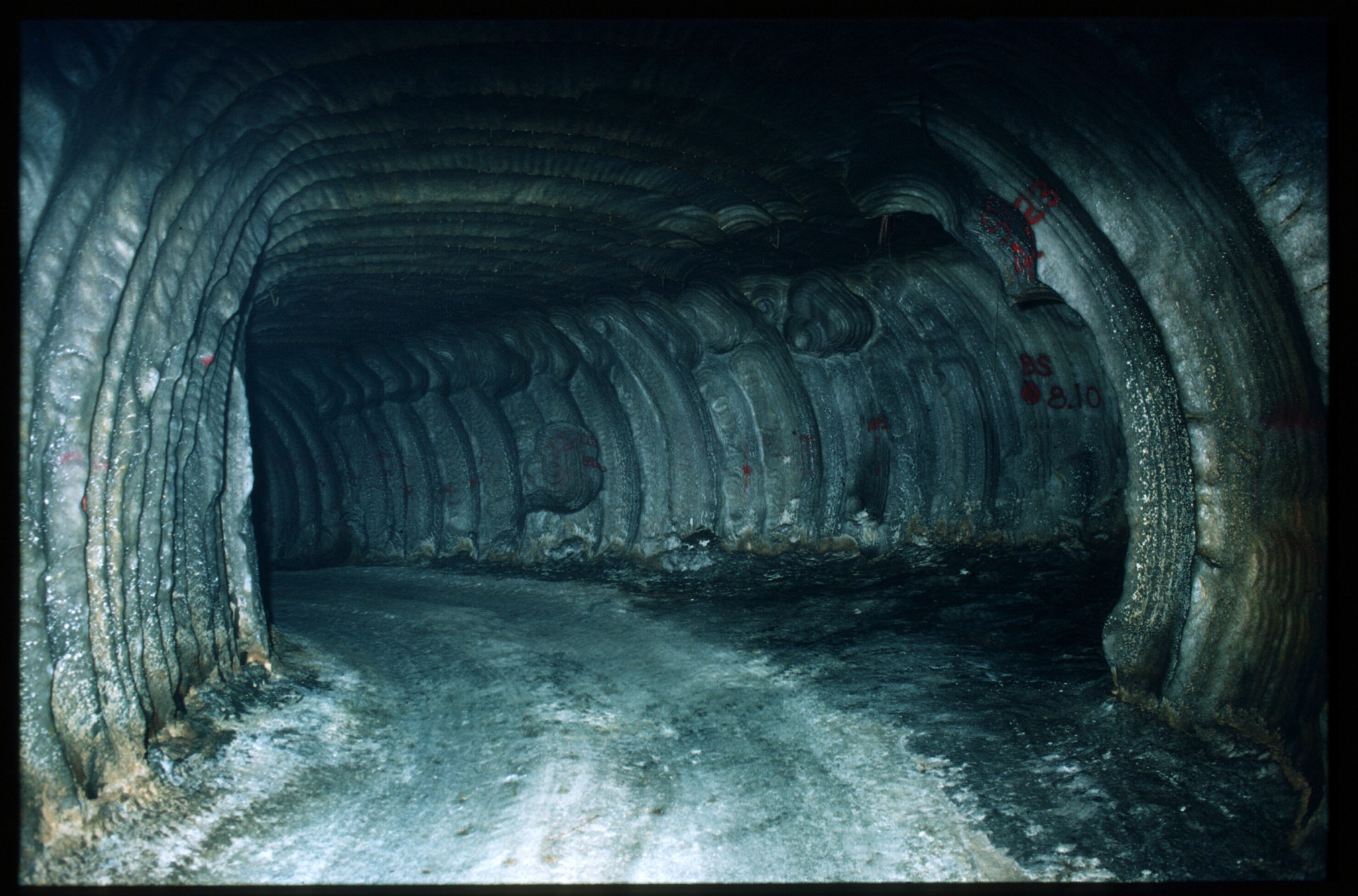
Both outlets describe how physical and engineering limitations tied to the reserve’s infrastructure can affect how much oil can be held and how effectively it can be drawn down in an emergency. This includes considerations about well performance, storage design, and the practical feasibility of accessing remaining barrels. While the sources focus on the same underlying issue—capacity and deliverability constraints as inventories shrink—they differ in tone and framing. One story emphasizes the magnitude of the remaining barrel count and the “limits” aspect, while the other uses a historical analogy to underscore the potential energy-security implications.
Overall, the coverage centers on a single theme: as the SPR’s inventory dwindles, the practical engineering margin that supports emergency drawdowns may tighten, raising questions about preparedness and future management.