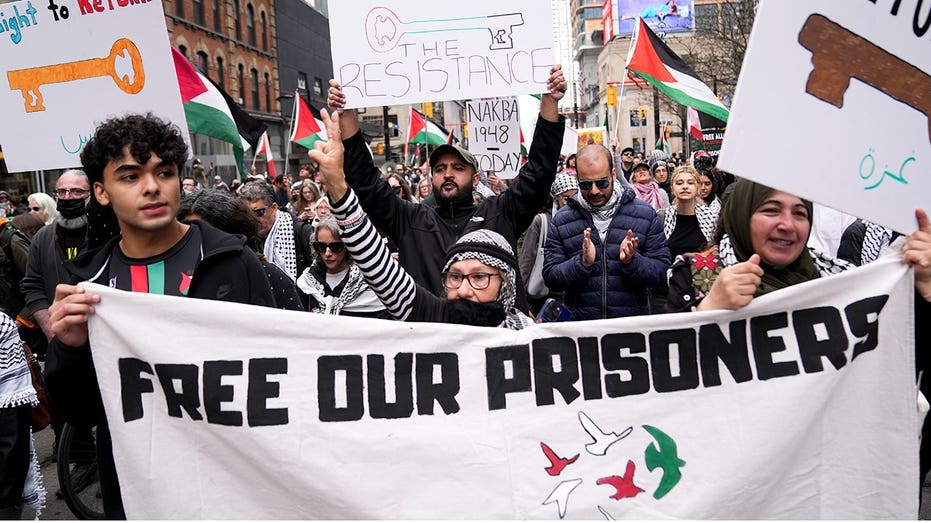
Multiple outlets report a new study alleging that networks aligned with the Muslim Brotherhood are embedded across Canadian institutions, including political and civil-society spaces, schools, universities, and activities connected to elections. The claim is presented as an analysis of how such networks may build long-term influence through institutional relationships.
According to the report as described by outlets, ISGAP characterizes these efforts as part of a broader “transnational strategy” involving ideological entrenchment and the use of narrative control and political or legal protection. One outlet emphasizes the scope across Canadian elections, universities, and civil society, while another highlights the involvement of schools and Canadian politics. Across the coverage, the differences mainly concern which sectors are stressed, rather than the core allegation.
The reports do not provide consistent, outlet-specific details about evidence, methodology, or named individuals in the brief descriptions. Overall, the coverage centers on the existence of the report and its assertions about institutional embedding in Canada, without a unified account of specific findings in the provided material.