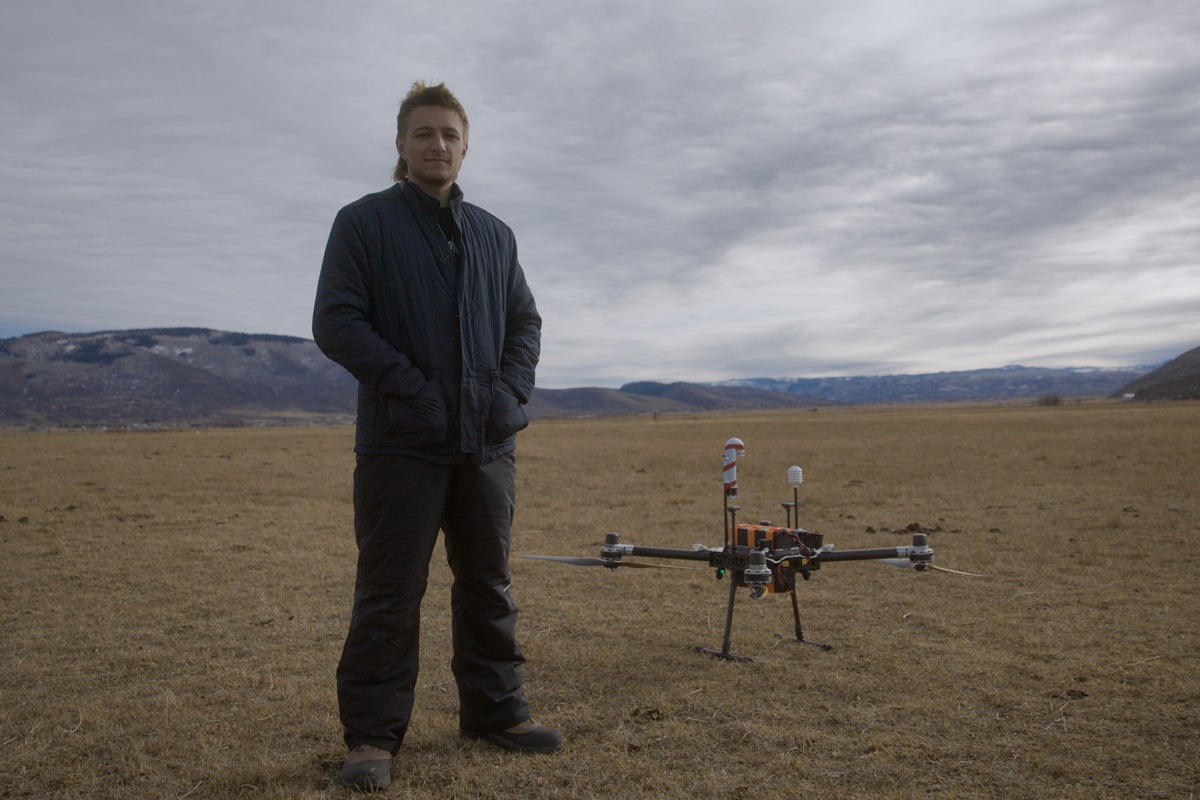
A climate-tech startup says it used drones to perform cloud seeding in Alaska and generate an estimated 19 million gallons of water over about three hours. The company describes its method as targeting existing clouds to stimulate precipitation, using processes intended to encourage ice crystal growth.
Both reports describe the Alaska trial as focused on measuring precipitation output. The company presents the results as an early indicator that the approach could help address drought conditions, including plans or claims that it may support regions such as the American West and contribute to efforts to refill the Colorado River.
At the same time, coverage emphasizes that additional evaluation is needed. The Times of India report highlights the need for follow-up assessments to confirm reliability and determine whether the technique can be applied more broadly beyond the initial trials. The Independent similarly frames the event as part of the company’s broader drought-battling objectives, while not indicating that long-term effectiveness or scalability has been fully established.