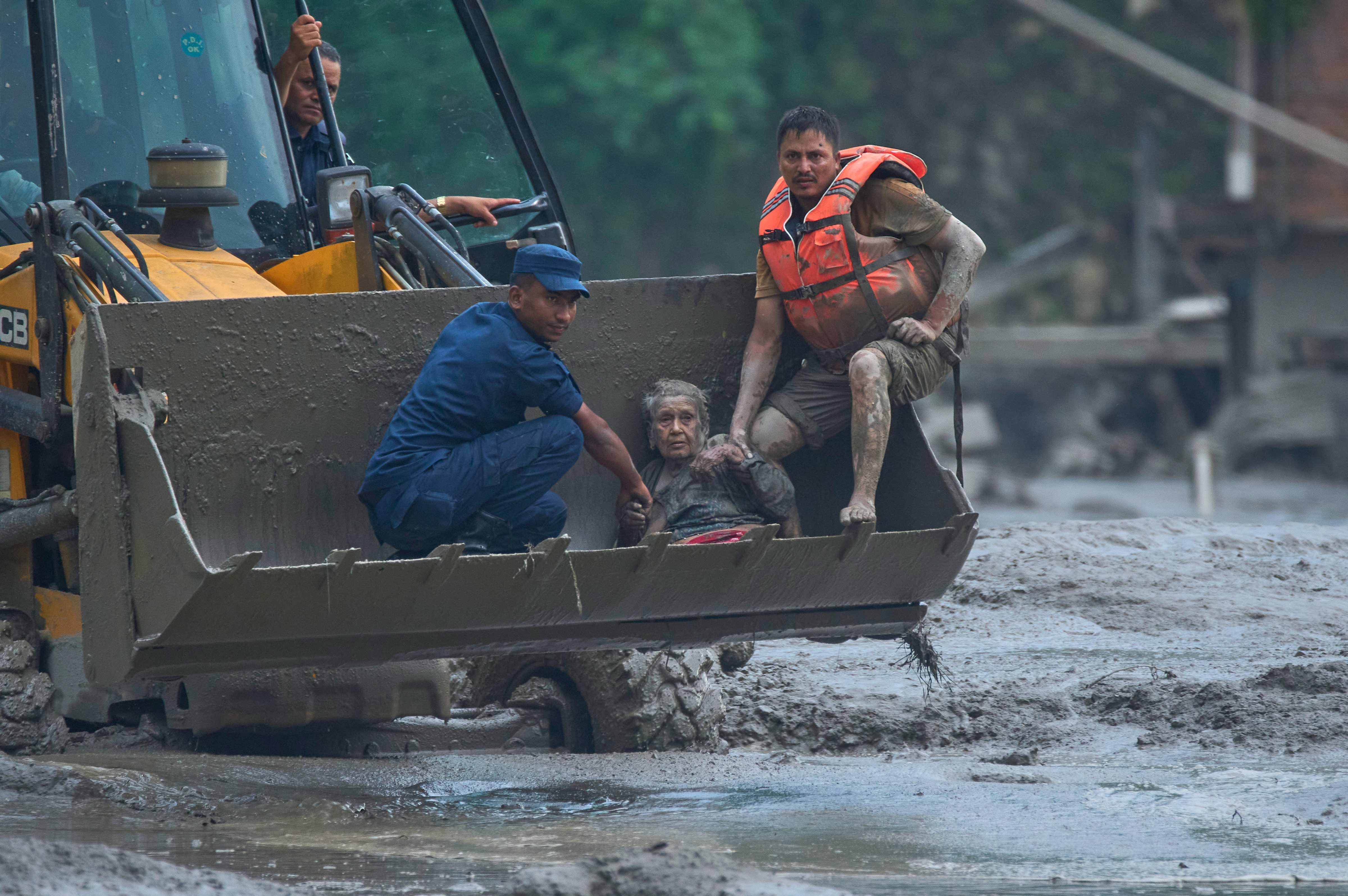
An inland tsunami on August 26 prompts renewed focus on why Nepal is highly exposed to natural hazards. Reporting links the event to dynamics associated with glacial lakes in the Himalayan region and to unstable or shifting geological conditions that can affect how hazards develop and propagate inland.
The coverage frames Nepal’s vulnerability as cumulative rather than single-cause. Multiple natural processes—such as the presence and behavior of glacial lakes and ongoing movements within the Himalaya—can raise the likelihood of hazardous releases and accelerations. Outlets also point to the broader challenge for forecasting and preparedness when several environmental factors converge.
While the exact trigger and the relative contribution of each factor are not presented the same way across accounts, the common theme is that Nepal’s geography and geology shape the risk profile. The event is described as illustrating how glacier-related features and the Himalaya’s continued motion can combine to produce impacts far from the coast.
All sources emphasize that understanding the August 26 tsunami requires looking beyond weather alone and examining longer-term environmental and geological drivers.