


New research focusing on Jebel Barkal in northern Sudan examines how changes in the Nile River Valley helped shape the growth of the ancient Kingdom of Kush. The Kush city at Jebel Barkal rises as an urban center beginning around 2000 BCE, according to the sources. One outlet describes Jebel Barkal as a site featuring pyramids, temples, and palaces, reflecting its development as a major regional hub. The broader Kush presence is described as lasting more than 2,000 years, with Kush dominating parts of the Nile Valley intermittently from about 2000 BCE to around 350 CE. The new study digs into environmental and archaeological evidence to reconstruct how the Nile landscape changes over thousands of years, and how those shifts may affect where settlement and monumental building could take place. Together, the reports place Jebel Barkal within a long timeline of Kush activity and emphasize that understanding the river’s evolving conditions is central to explaining the emergence and endurance of the settlement and its architecture.
Shifting Nile landscape is linked to the rise of ancient Kush at Jebel Barkal
New research focusing on Jebel Barkal in northern Sudan examines how changes in the Nile River Valley helped shape the growth of the ancient Kingdom of Kush. The Kush city at Jebel Barkal rises as an...
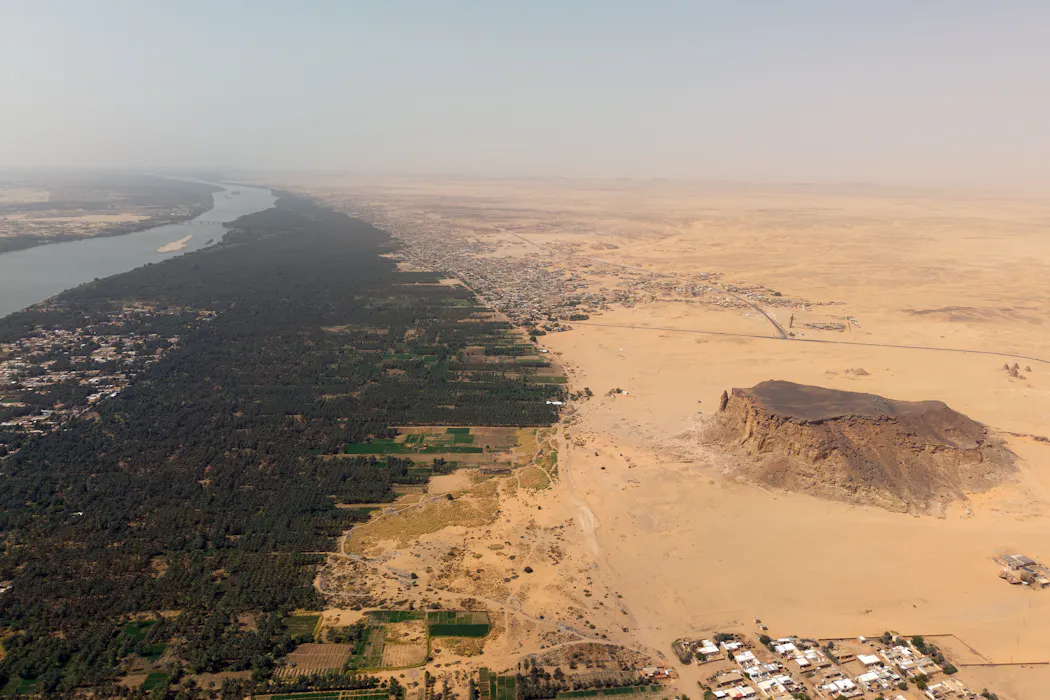
- Jebel Barkal in northern Sudan is identified as an important urban center of the Kingdom of Kush.
- The sources date the rise of Jebel Barkal’s urban center to around 2000 BCE.
- Jebel Barkal is described as containing major monumental architecture, including pyramids, temples, and palaces.
- The Kingdom of Kush is described as influencing or dominating parts of the Nile Valley intermittently for more than 2,000 years, from about 2000 BCE to around 350 CE.
- The research focuses on reconstructing how long-term changes in the Nile landscape over roughly 4,000 years relate to settlement growth.
When I first became co-director of an archaeological project at Jebel Barkal in northern Sudan in 2018, I was amazed by the site's pyramids, temples and palaces. It had been an urban center in the ancient empire of Kush, which dominated the Nile Valley off and on for more than 2,000 years, from 2000 B.C.E. to 350 C.E.
3 months agoThe ancient Kush city of Jebel Barkal rose up in the Nile River Valley starting around 2000 BCE. New research dug deep to learn more about what this landscape was like over the past 4,000 years.
3 months ago
British Museum announces additional tickets for the Bayeux Tapestry trailer featuring Claudia Winkleman
The British Museum releases a promotional trailer featuring Claudia Winkleman to announce a new release of tickets for t...

Critics Review Netflix’s ‘The Whisper Man’ Starring Robert De Niro and Adam Scott
Netflix releases “The Whisper Man,” a crime thriller in which Robert De Niro and Adam Scott play roles tied to tracking...

Big Church Festival in West Sussex disrupted after sign reportedly injures six people
Emergency services respond to reports of a sign falling and injuring attendees at the Big Church Festival at Wiston Park...