


Multiple outlets warn that a “super El Niño” could intensify extreme weather this year, with potential knock-on effects for global food supplies. The core risk highlighted is that stronger-than-usual El Niño conditions can increase temperatures and shift rainfall patterns, contributing to heat and drought in some regions. When drought and extreme heat coincide with key growing periods, crop yields can fall and harvests can be damaged, according to the reporting. The Conversation also frames the threat in broader terms, noting that food systems are already strained by environmental and social vulnerabilities. It emphasizes that climate shocks can compound other destabilizing factors, including geopolitical disruptions and existing stress on logistics, markets, and agricultural resilience. Together, the sources argue that while El Niño alone does not determine outcomes, it can act as an amplifier—raising the likelihood that countries facing fragile conditions experience sharper increases in food insecurity. The warnings focus on the summer timing and the possibility of worsening global hunger if impacts on crops and food distribution coincide with other pressures.
Super El Niño risks worsening heat, drought, and global food insecurity
Multiple outlets warn that a “super El Niño” could intensify extreme weather this year, with potential knock-on effects for global food supplies. The core risk highlighted is that stronger-than-usual...
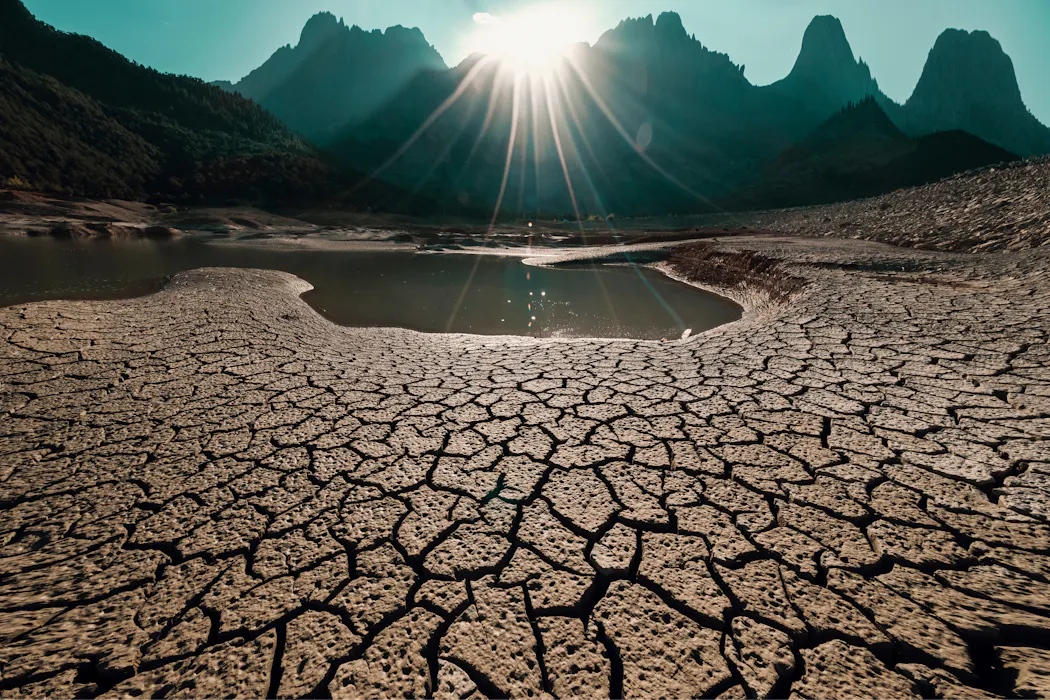
- A “super El Niño” can increase the likelihood of extreme heat and drought in some regions.
- Extreme heat and drought can damage crops and reduce harvest yields.
- Reduced harvests can worsen global food insecurity, especially in vulnerable areas.
- The food system already faces environmental and social vulnerabilities that can amplify climate impacts.
- Other shocks, including geopolitical disruptions, can compound the effects of El Niño on food availability.
Extreme heat and drought could damage harvests and worsen global food insecurity this summer.
3 months agoClimate and geopolitical shocks – from El Niño, global heating or wars – hit a food system which already magnifies environmental and social vulnerabilities.
3 months ago
ICE plans to buy thousands of electric-shock gloves for officers under DHS notice
U.S. Immigration and Customs Enforcement (ICE) moves forward with plans to purchase electric-shock gloves that can deliv...
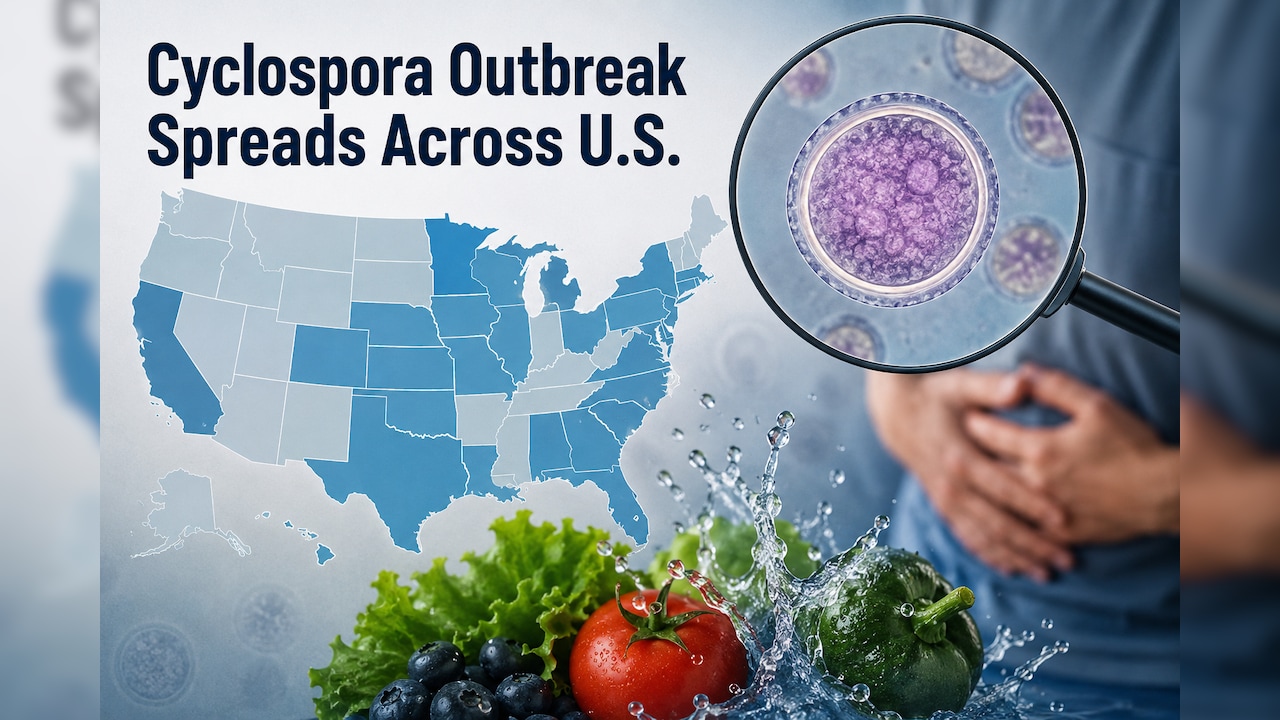
Cyclosporiasis outbreak expands as CDC investigates thousands of suspected cases
Health officials report that a multistate outbreak of cyclosporiasis is spreading across the United States, with the CDC...

Man charged with murder as police investigate woman’s death in St James
Police in WA investigate a woman’s death in St James, with a man in custody as the matter is taken through the court pro...