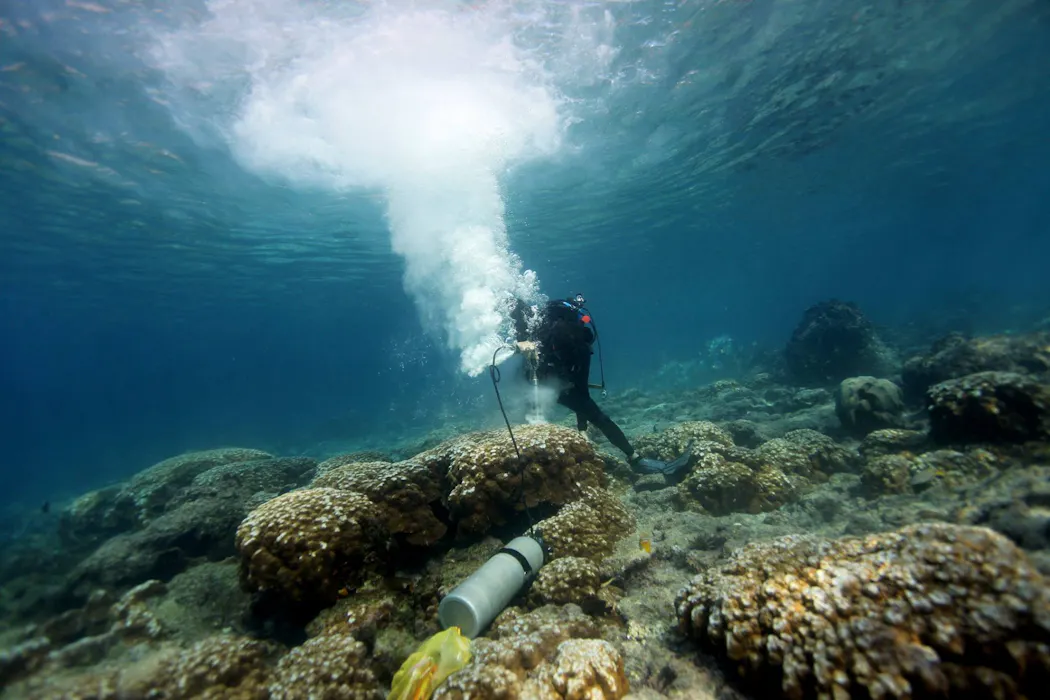
Scientists analyze fossil and living coral records from the Galápagos Islands and find evidence that recent El Niño events are stronger than those in earlier centuries. The studies focus on how coral growth and chemistry preserve a long-term record of past sea-surface conditions during El Niño.
All outlets describe the same core finding: El Niño variability in the Galápagos has intensified, with evidence spanning roughly the past 1,000 years and, in some cases, showing particularly strong shifts over recent decades. The Conversation and New Scientist emphasize the relationship between intensification and global warming, reporting that changes in the El Niño pattern align with rising temperatures. Scientific American similarly points to coral records as showing markedly stronger El Niños in the present compared with the past, based on fossilized coral indicators.
While the articles differ in emphasis—one focusing on the paleoclimate timescale, another on how the team made the discovery, and another on the recent decades trend—they converge on a single interpretation: climate change is associated with increasingly extreme El Niño conditions in the Galápagos region.