


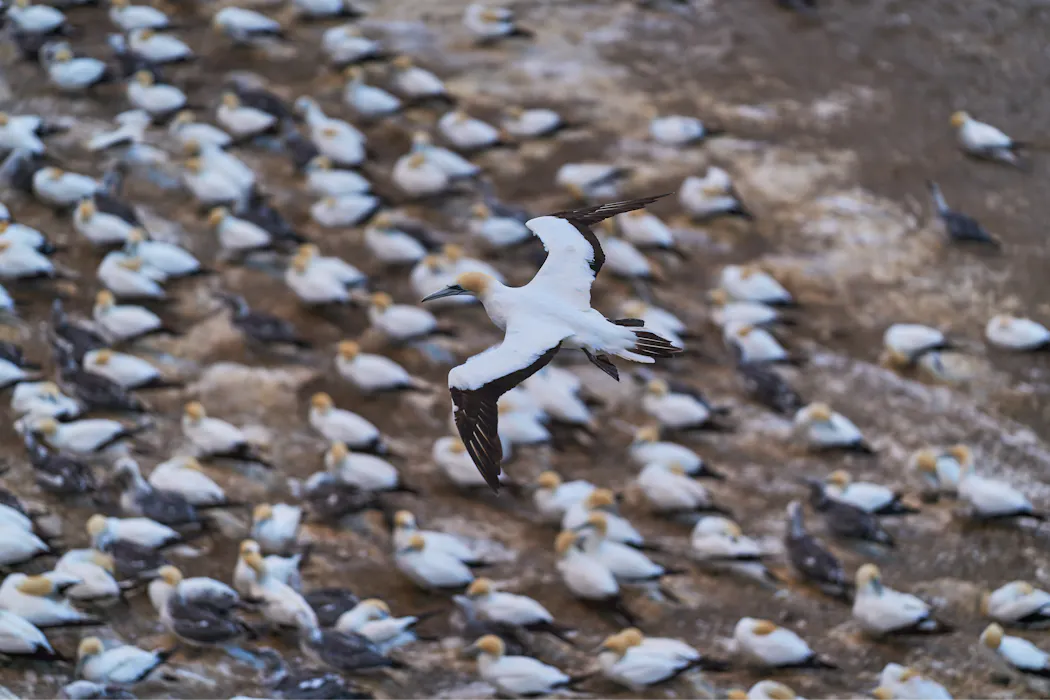
New Zealand’s response to H5N1 bird flu must continue to evolve as the virus spreads beyond birds, with recent events highlighting the risks to mammals. The Conversation and Phys.org both point to the growing reality that bird flu now threatens multiple types of wildlife and requires ongoing vigilance.
Context for the discussion includes new evidence of mammal impacts, including confirmation in Australia of the first mainland death of a mammal from bird flu. This development is used to underscore the challenge of detecting and managing outbreaks early, not only in birds but also in other species such as marine mammals. Both outlets stress that detection and monitoring remain central, and that public health and wildlife management approaches need to adapt as further findings emerge about how the virus moves through ecosystems.
While the outlets emphasize similar core themes—spread of H5N1 and the need for flexible management—The Conversation frames the issue more broadly as an ongoing, long-term problem (“here to stay”), whereas Phys.org focuses more specifically on the Australia mammal death as a concrete indicator of what New Zealand may face.


