


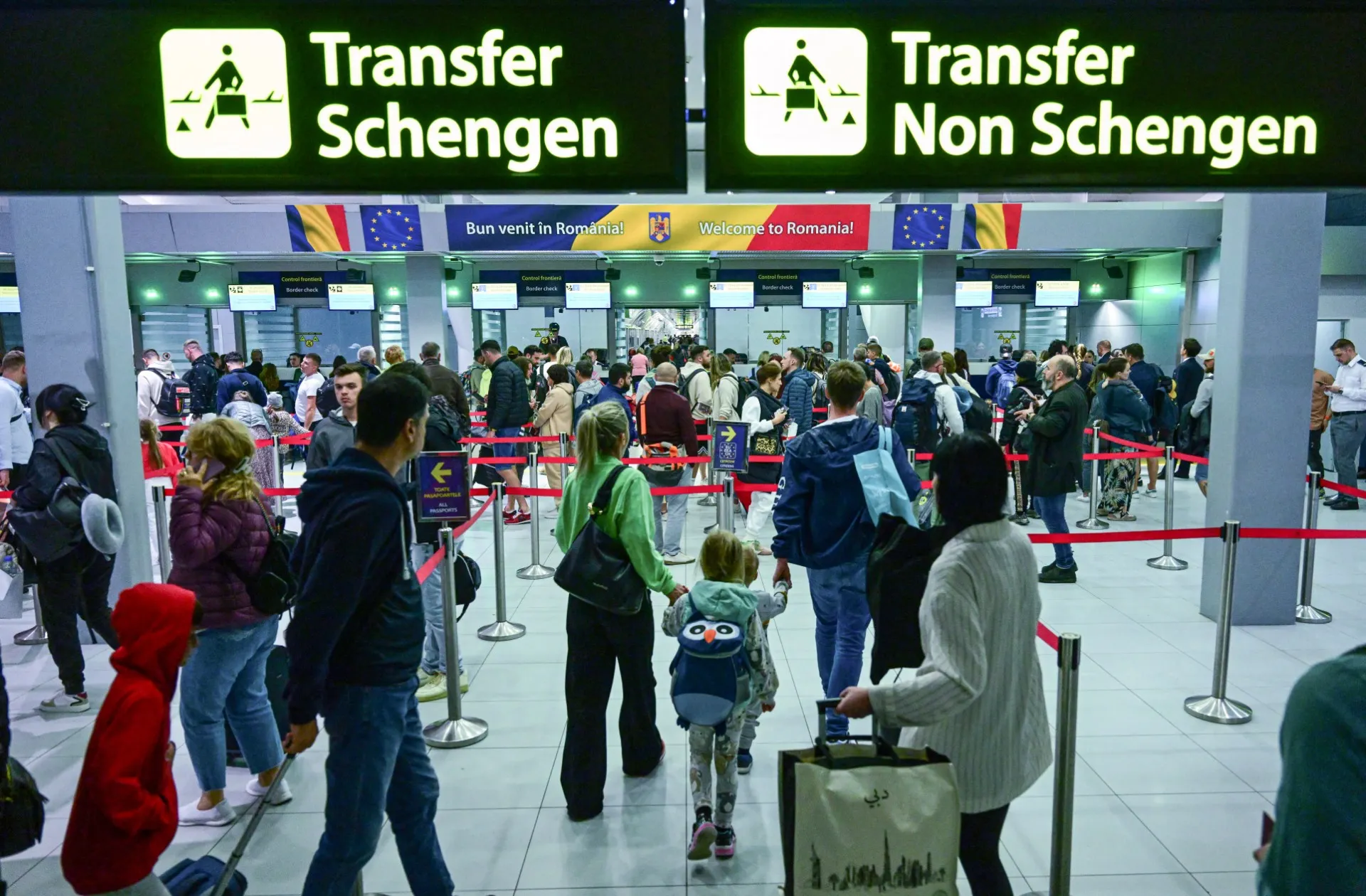
Several European countries are reintroducing police checks at internal borders with neighbouring states, prompting renewed discussion about how the Schengen area functions and how it relates to the EU’s free movement rules. The measures highlight the practical limits that can be applied even within Europe’s border-free travel framework.
Across outlets, the core distinction is presented as follows: Schengen governs the removal of checks at internal borders among participating states, while EU free movement is the broader right for EU citizens (and in some cases family members) to live and work in other EU member states. Sources also point to how Schengen rules allow temporary border controls under specified circumstances, whereas EU free movement involves legal protections that apply regardless of whether a state chooses to carry out temporary checks.
Outlets differ mainly in emphasis—some focus on the legal and procedural side of Schengen temporary controls, while others underline the status of EU citizens’ rights under free movement law. Together, they reflect a broader effort to clarify what restrictions are possible, and what rights generally remain in place.


