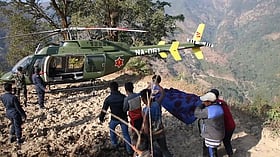
Flash floods in Nepal’s Rasuwa and Nuwakot districts keep producing new recoveries of bodies far downstream, straining hospitals and morgues and deepening uncertainty for hundreds of families still searching for missing relatives. Reports say bodies are found along stretches of the Trishuli and Narayani rivers, in some cases more than 100 km from the initial flood-hit areas, while the overall death toll is reported around the high hundreds with figures varying as recovery operations continue.
As storage capacity runs out, authorities in multiple districts move remains to other facilities and prepare temporary body-management and identification sites. In Chitwan, local morgues are described as able to hold only a few dozen bodies, while more than 100 have reportedly been recovered there, prompting the use of temporary outdoor storage and plans for a larger temporary center in Bharatpur with refrigerated and controlled-temperature options. Similar pressure is reported around Pokhara and other districts, where bodies are transferred after local facilities reach capacity.
Identification follows Nepal’s unidentified and unclaimed bodies management guidelines, using cleaning and tagging, photography and fingerprints, and DNA testing when needed. Families gather at hospitals and identification points to compare information with missing-person reports. The impact also crosses into India, where remains reportedly appear along parts of the Gandak-Narayani river system, adding to the logistical and public-notification challenges during the ongoing search.