


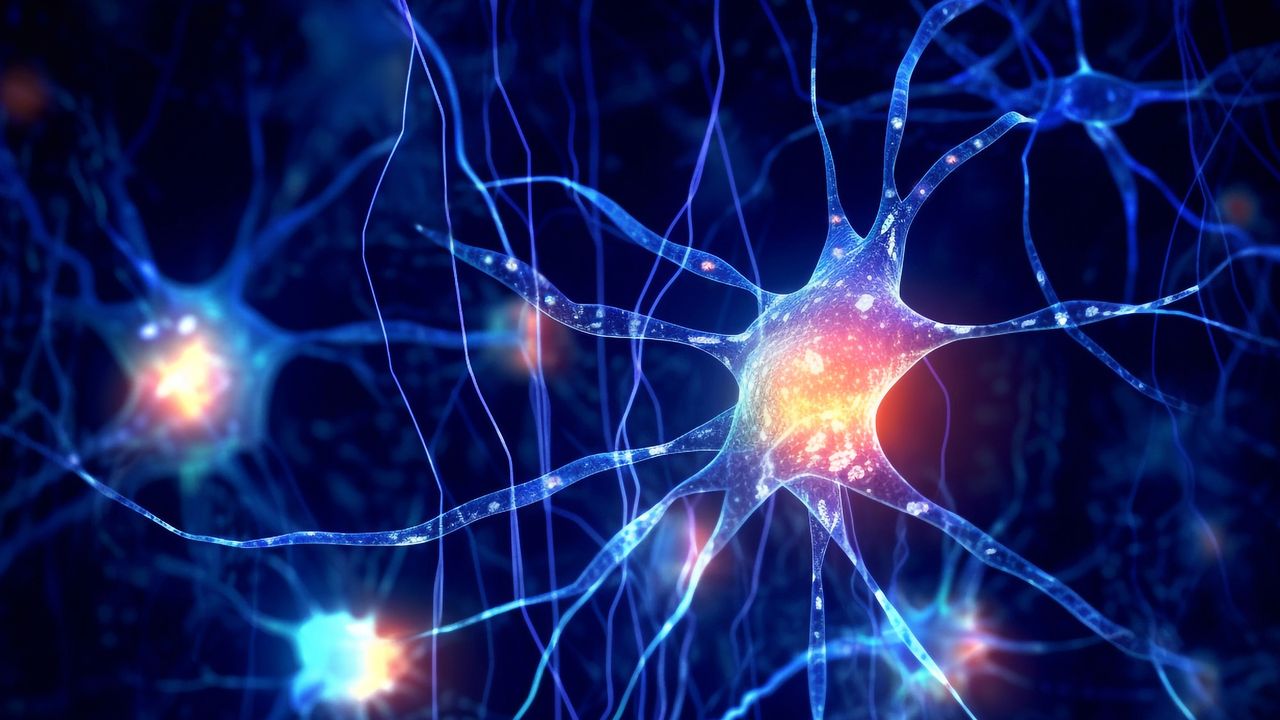
Researchers report a gel-based treatment that turns brain cells into neurons and shows early benefits in mouse models of Alzheimer’s disease. The approach uses a “reprogramming” gel to convert astrocytes—brain cells that normally support neurons—into neuron-like cells.
In treated mice, outlets describe improvements linked to brain-cell regeneration. Reported findings include an increase in neuron density and reductions in inflammation, alongside better memory and behavioral outcomes. The studies also frame the work as an initial proof of concept, with results based on animal testing rather than human trials.
Across coverage, the core emphasis is consistent: the gel can directly influence cell fate in the brain to replenish neurons that are lost in neurodegenerative disease. However, the articles differ in detail and emphasis, with one focusing more on reported behavioral and memory improvements and the other on the underlying idea of converting astrocytes into neurons as a potential therapeutic strategy.
Further research is described as needed to confirm safety, effectiveness, and whether the method can be translated beyond mice to living organisms, including evaluating long-term outcomes.


