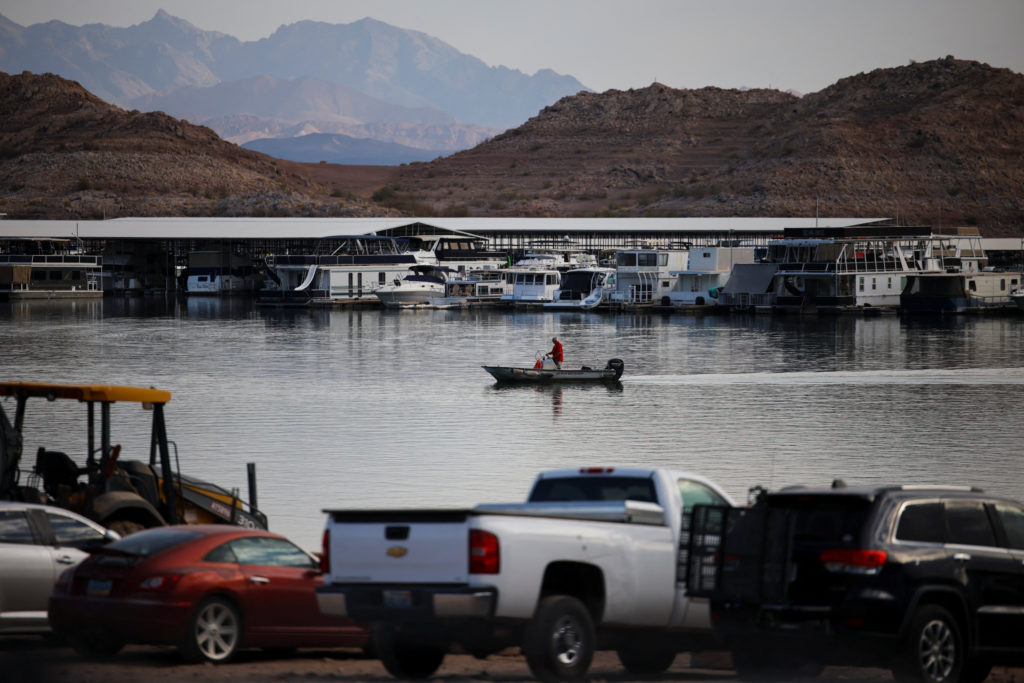
The Colorado River water-cut plan, driven by severe and prolonged drought, reduces or limits how much water dependent regions can use, bringing uncertainty for cities and farmers. The change affects areas that rely on the river for drinking water, irrigation, and other needs, and it forces many communities to plan for tighter supplies.
The impacts extend across multiple U.S. states and also involve tribal nations and Mexico, highlighting the cross-border and inter-jurisdictional nature of Colorado River management. Outlets describe the situation as creating difficult planning decisions and forcing new constraints on water use, even as specific outcomes depend on how the plan is implemented and how drought conditions evolve.
While coverage broadly aligns on the central effect—reduced water availability and resulting uncertainty—local perspectives emphasize different concerns. One outlet includes the perspective of an Arizona mayor who is worried that additional shortages will continue. Other reporting focuses more generally on the scope of affected stakeholders and the practical implications for water users.