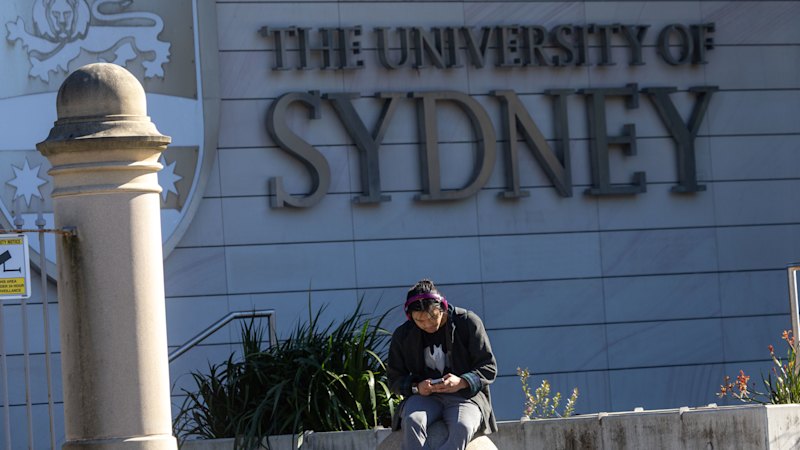
Australia is introducing a new university funding model that includes domestic student caps for universities, prompting concerns that it could limit how students are able to choose courses.
Multiple outlets report that the caps would affect admission processes for Australia’s largest universities, potentially changing enrolment planning and the number of domestic places available in particular programs. This, in turn, raises questions about whether student preferences can be met under the revised system.
While all sources highlight the same core issue—domestic caps reshaping admissions—coverage emphasizes different implications. Some focus on how caps could force universities to redirect places across courses or apply stricter constraints during offer rounds, while others underscore the broader policy shift away from current approaches. Across reporting, the central theme is uncertainty about how the new funding settings will translate into day-to-day admission decisions for prospective students, including where demand and supply may no longer align as they do under the previous framework.