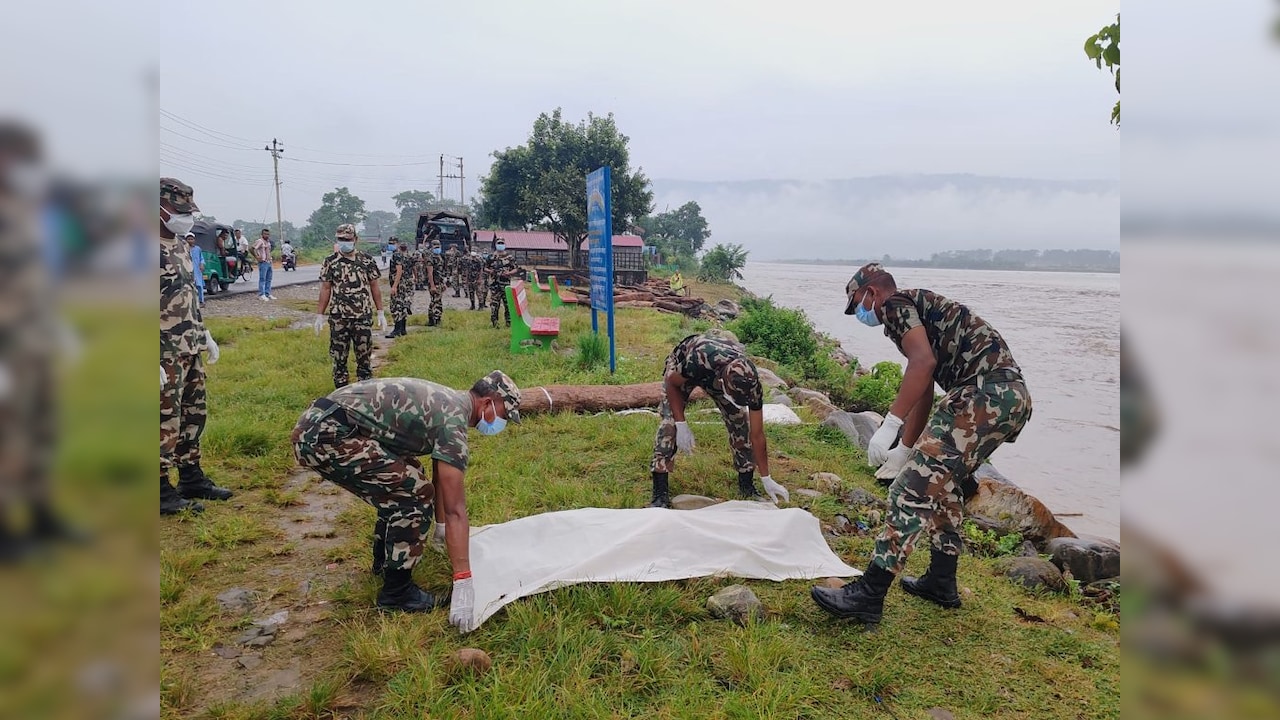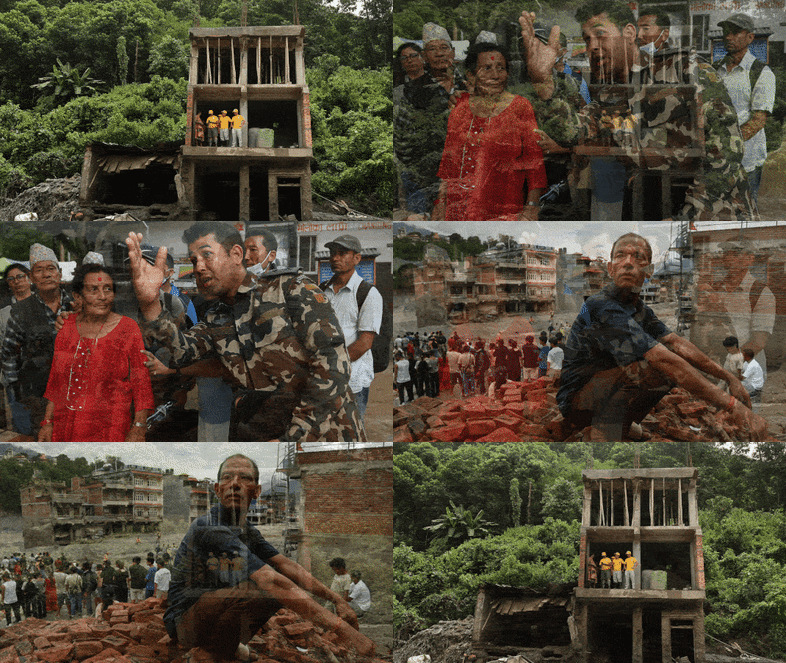
A wall of mud and rock sweeps through parts of Nepal, turning once-busy towns into areas of devastation. Multiple outlets report on the impact in Dhunge, a small town that previously served as a stopover for people travelling toward sacred Mount Kailash. The reports describe how locals and hundreds of tourists encounter the scale of the damage after the mudslide.
The coverage is framed around the sudden transformation of communities that had been sustained by travel and pilgrimage routes. While the articles use similar descriptions of the affected town and the nature of the event, they differ little in interpretation or emphasis, focusing instead on what visitors and residents see in the aftermath.
Across the three sources, the shared focus is the contrast between earlier activity in these settlements and the immediate post-disaster condition, with mud and rock covering or destroying built areas. The accounts collectively highlight the effect on towns located along routes connected to religious travel and the visibility of the damage to both residents and passing travellers.