


A remote village with about 19 residents has become a sudden tourist draw after a local family redevelops unused buildings into visitor attractions. According to reports, the family has converted old storehouses into galleries and dining spaces, repurposing structures that were previously not widely used by visitors. The village’s traditional fisherman’s cabins have also been transformed into accommodation, offering tourists stays in renovated, historic-style buildings. The coverage describes the changes as part of an effort to keep the small community viable despite its distance from major tourist routes. Together, the new dining options, galleries, and lodging create a cohesive visitor experience centered on the village’s existing character and architecture. While the reports focus on the family’s role in driving the transformation, they also frame the development as a practical response to sustaining a very small population. The articles do not provide broader context on government involvement, visitor numbers, or official tourism data, but they consistently describe the same core elements of the redevelopment.
Family-led redevelopment turns remote village of 19 into tourist destination
A remote village with about 19 residents has become a sudden tourist draw after a local family redevelops unused buildings into visitor attractions. According to reports, the family has converted old...
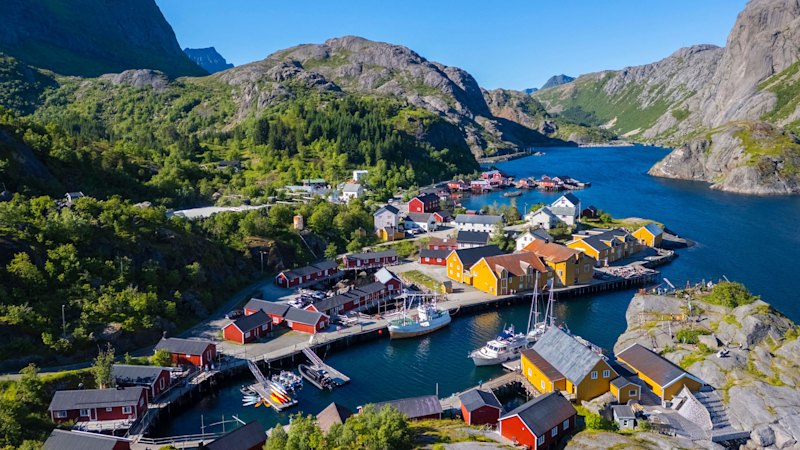
- The village has a population of about 19 residents.
- A local family redevelops the village’s unused buildings to attract visitors.
- Old storehouses are converted into galleries and dining spaces.
- Traditional fisherman’s cabins are renovated to provide accommodation for tourists.
- The redevelopment is described as a way to help sustain the small remote community.
To keep this tiny village alive, one family has transformed its old storehouses into galleries and dining spaces, while traditional fisherman’s cabins have become stylish accommodation.
3 months agoTo keep this tiny village alive, one family has transformed its old storehouses into galleries and dining spaces, while traditional fisherman’s cabins have become stylish accommodation.
3 months ago
Authorities identify Lydia McWhorter as final victim of California’s “Happy Face” killer
California authorities identify Lydia Jane Wade McWhorter as the final unidentified victim of Keith Hunter Jesperson, th...

Ariane 6 launches MTG-I2 to complete Europe’s first Meteosat Third Generation trio
Europe’s MTG-I2 weather satellite is launched on an Ariane 6 rocket from French Guiana, completing the first trio of Met...

Developers cut LLM costs and reduce outages by routing tasks across compatible model providers
Multiple Dev.to posts describe a shift in how teams use large language models in production: instead of paying for a sin...