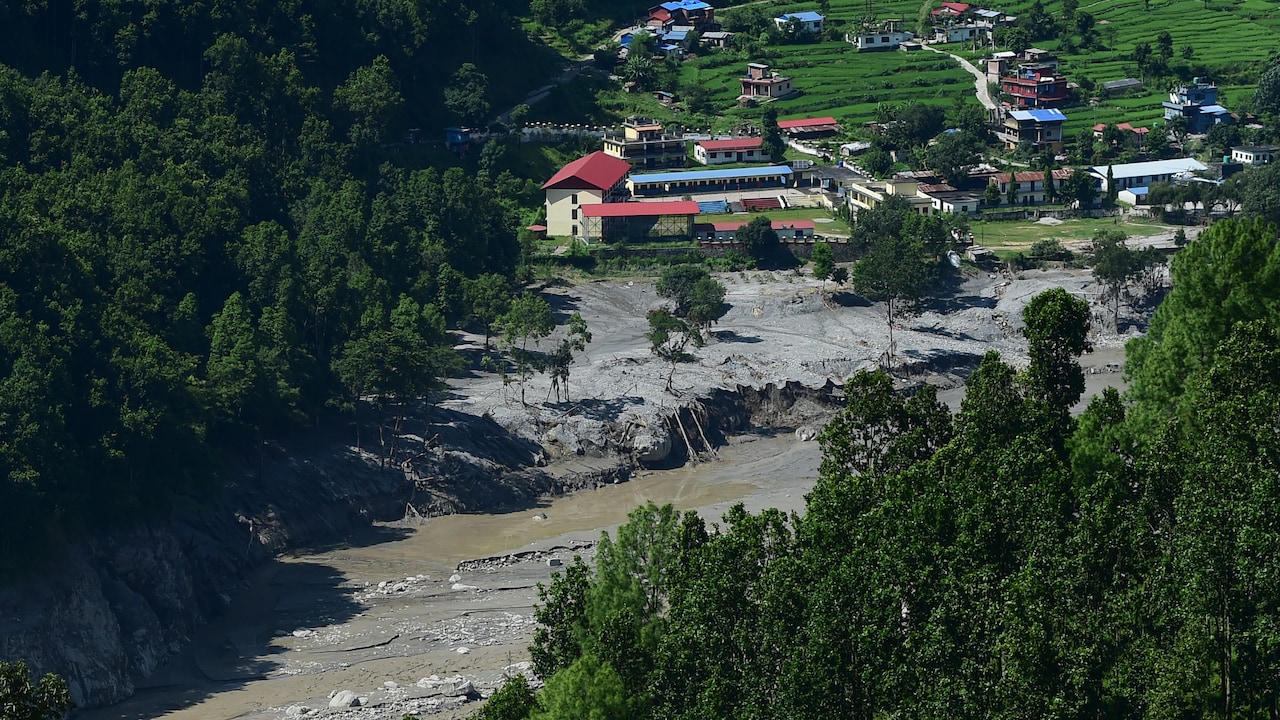
Nepal’s catastrophic floods hit with little lead time, with many residents receiving only minutes’ warning before fast-moving water arrived. Reporting across outlets points to shortcomings in high-altitude weather monitoring and the ability to issue timely alerts for sudden, dangerous conditions.
Several articles connect the warning challenges to gaps in regional information flow, focusing on how weather data is shared across borders. They specifically cite issues in data sharing with neighboring China, suggesting that improved access to relevant observations could strengthen forecasting for Nepal’s mountainous terrain. One outlet also frames the consequences in terms of broader effects, noting that better forecasting and earlier warnings could help protect critical infrastructure and reduce disruption to sectors such as tourism, which is economically important for the Himalayan region.
Overall coverage emphasizes that the event exposes vulnerabilities in both monitoring capacity and cross-border coordination, while calling for improvements to reduce the likelihood of similar rapid-onset disasters and to enhance preparedness in Nepal.