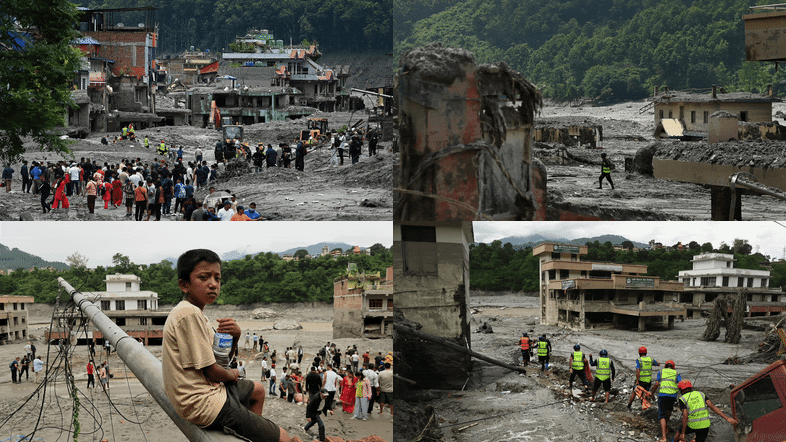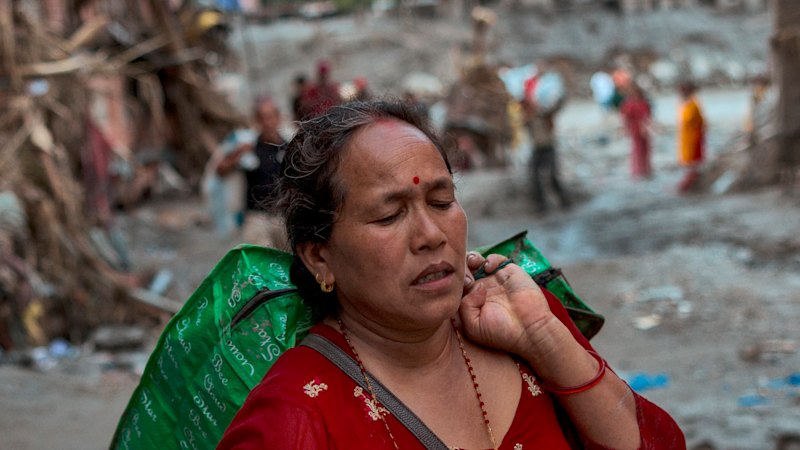
Multiple Australian outlets publish commentary arguing that while severe flooding in Nepal highlights climate risks across the region, impacts in Tibet remain poorly documented due to restricted access and political censorship. The articles say that this gap limits broader understanding of Asia’s climate crisis and makes it harder to connect regional weather events to underlying trends.
The pieces do not describe new, independently verified information about Tibet itself, but focus on how information flows differ across borders. They contend that limited reporting and controlled access reduce the availability of reliable data on environmental change, hazards, and disaster impacts in Tibet compared with places such as Nepal where observers can more readily document events. The overarching theme is that researchers and the public may not get the full picture of how climate-related extremes are affecting all parts of the region.
Across outlets, the arguments share the same premise and framing: Nepal’s floods demonstrate the seriousness of climate risks, while the inability to “know what happened in Tibet” represents a persistent barrier to regional assessment. The main difference, in tone, is the emphasis each publication places on the role of censorship and information control rather than on specific policy responses.