Pastoralist communities in Tanzania’s northern Maasai Steppe face worsening drought impacts as rains fail, pushing herders to move cattle farther for pasture and water. Coverage describes dwindling groundwater supplies and reduced livestock health, including weight loss and lower milk production, which then affects household income as some families sell cattle. If dry conditions persist, herds can die and households face hunger.
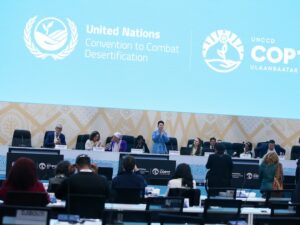
The reporting frames these impacts against the backdrop of COP17’s $1.2 billion pledge aimed at rangelands. While the pledge is presented as support for dryland ecosystems, the article argues pastoralists need more than funding commitments focused on rangelands alone. The emphasis is on practical, timely assistance for vulnerable herding households—particularly to address water scarcity and the near-term survival risks during droughts—rather than relying solely on broader climate or land-management promises.
Across the sources, the core facts center on drought-driven movement of herds, declining borehole water, and economic stress on pastoralist livelihoods, with the differing angle focusing on whether the COP17 pledge adequately responds to those immediate needs.