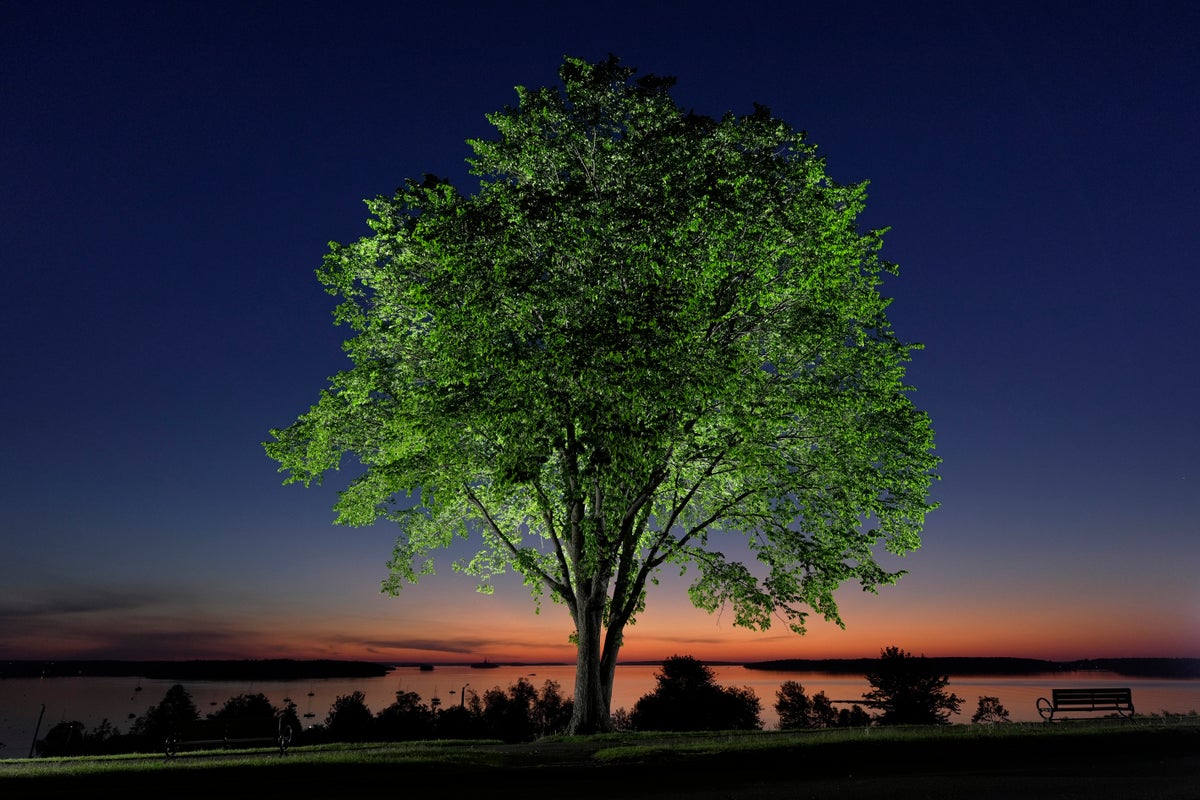
A group of about 6,000 young American elm trees in Vermont is being used in efforts to develop the next generation of elms that may be resistant to Dutch elm disease, a fatal condition that killed many mature trees in earlier decades. The initiative focuses on identifying and advancing trees with traits that could improve survival in the face of the disease.
The outlets describe the same core effort: planting and managing a large number of young elms as part of a longer-term replacement and conservation strategy. While both pieces emphasize the scale and purpose of the project—helping restore an iconic tree species—the coverage is brief and does not detail specific methods such as genetic testing, breeding approach, or monitoring outcomes. The reporting also does not specify timelines for when resistant elm stock might be widely distributed.
Overall, the story centers on moving from past losses to future resilience by growing a new cohort of elms in the region most affected by the disease.