


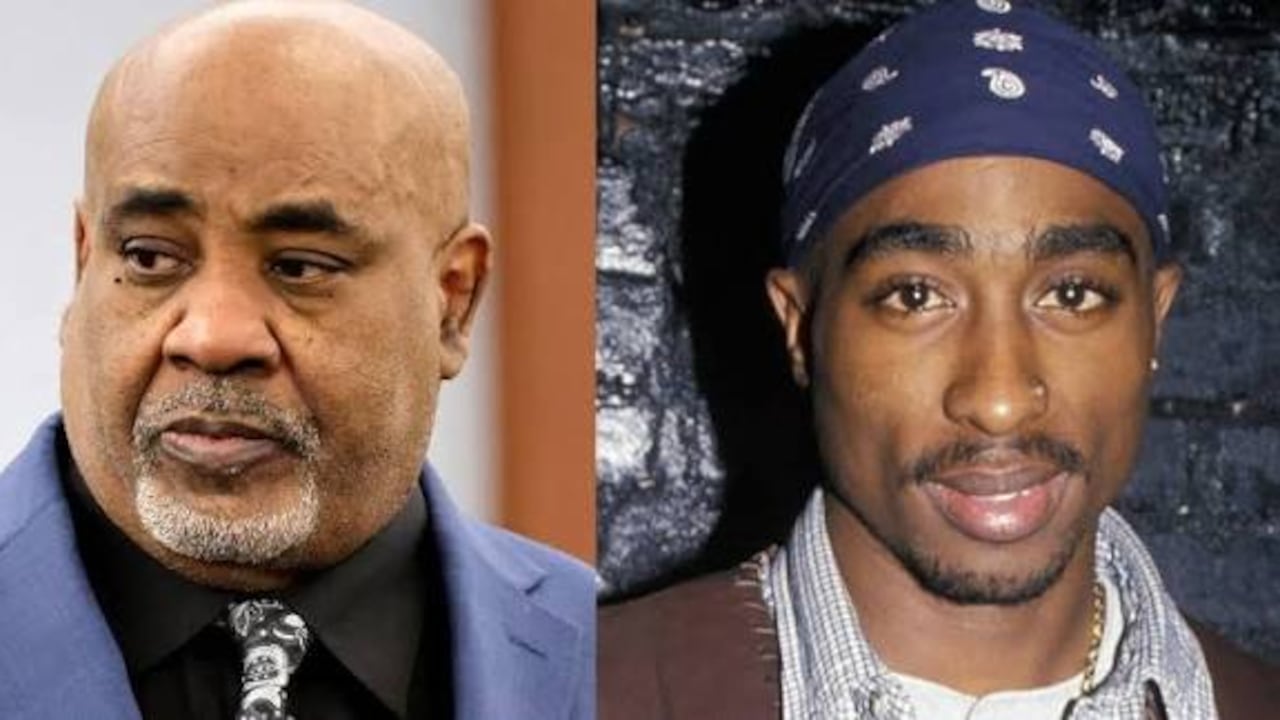
Duane Davis, an ex–gang leader, is found guilty in Las Vegas court of orchestrating the 1996 murder of rapper Tupac Shakur, nearly three decades after the killing. Davis is convicted after years of investigation and multiple legal developments, with the case finally reaching a jury verdict.
Shakur, 25 at the time, is killed at the height of his career. Across outlets, the central point of agreement is that the court outcome comes after about 30 years without a conviction and that Davis is specifically tied to planning and responsibility for the murder.
The reporting also reflects the long delay between the crime and the verdict, but they do not present conflicting details on the core outcome: Davis is convicted, and the prosecution’s theory focuses on his role in orchestrating Shakur’s killing. The articles emphasize the elapsed time and Shakur’s age and career status at the time of his death rather than broader debate over motive or evidence in the published summaries.


