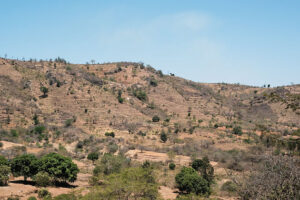
A report discusses the economic value of dryland natural resources—such as gum arabic, frankincense, and shea—and argues that targeted investment could support communities in water-scarce parts of Africa. It describes these products as sources of income drawn from trees and parkland areas across regions including the Sahel and the Horn of Africa.
The coverage frames “drylands dividend” as a pathway to power livelihoods without relying solely on conventional water-intensive sectors. Inter Press Service and AllAfrica (which republishes the IPS piece) present the same core examples of commercially traded gums and resins and note that some of the harvesting and processing is linked to local practices, including work by women in West African parklands.
Because both outlets draw from the same underlying IPS article, they largely align in content and emphasis, with no substantial differences in reported facts or events. The report is presented as analysis and advocacy for investment approaches rather than as coverage of a specific new policy decision or incident.