


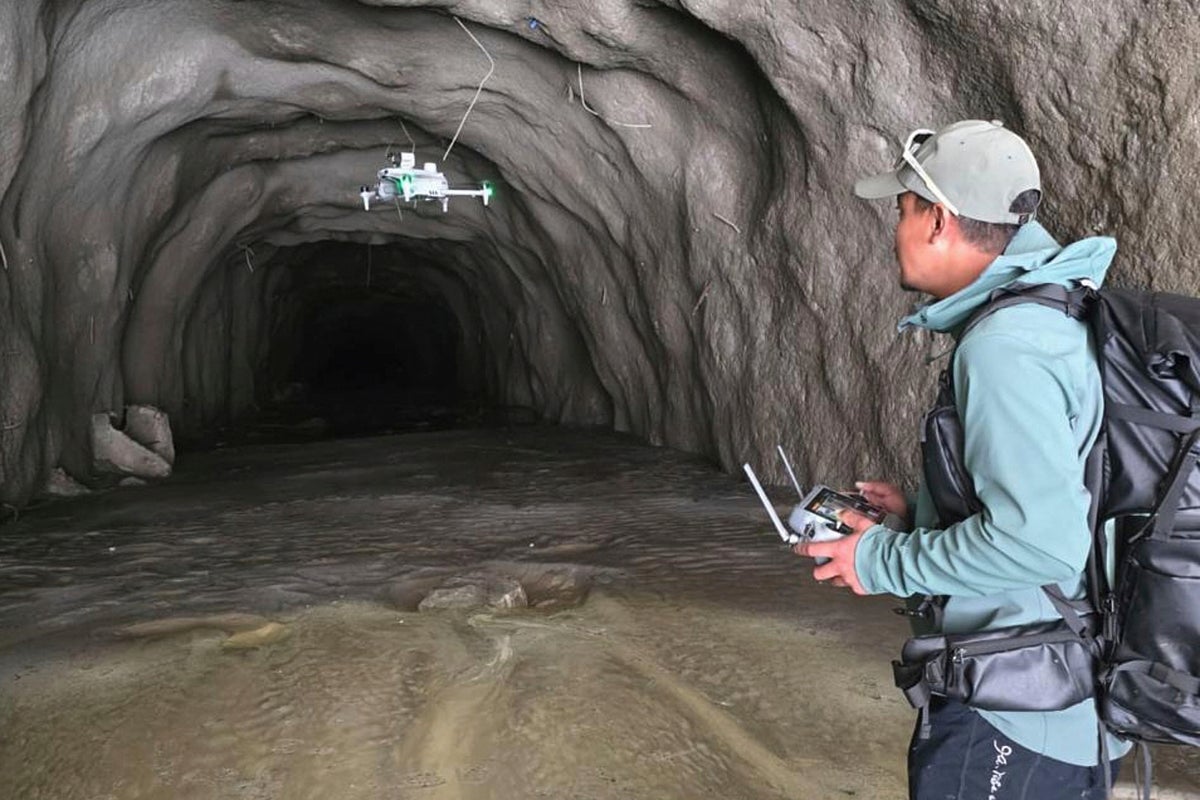
A filmmaker and drone pilot who had recently returned from Tibet becomes part of Nepal’s tunnel rescue efforts after devastating floods strike the Himalayan region. Two days before the floods, he crosses back through the Rasuwagadhi border crossing, unaware that his work would soon shift from filming to emergency response.
In accounts of the operation, the drone operator describes practical difficulties faced during rescue work in and around a tunnel site. He highlights the limits of using drones in confined or difficult terrain, where getting clear visuals can be challenging and where signals and safety constraints can affect flight operations. He also stresses the need for effective mapping and situational awareness to support responders working in hazardous conditions.
Across the reporting, the core focus is on how drones are used to assist rescue teams, but with attention to the technical and environmental obstacles that operators encounter in real time. Both outlets frame the situation as urgent and fast-moving, linking the operator’s proximity to events with the broader scramble to locate and reach people affected by the flooding and subsequent rescue operations.


