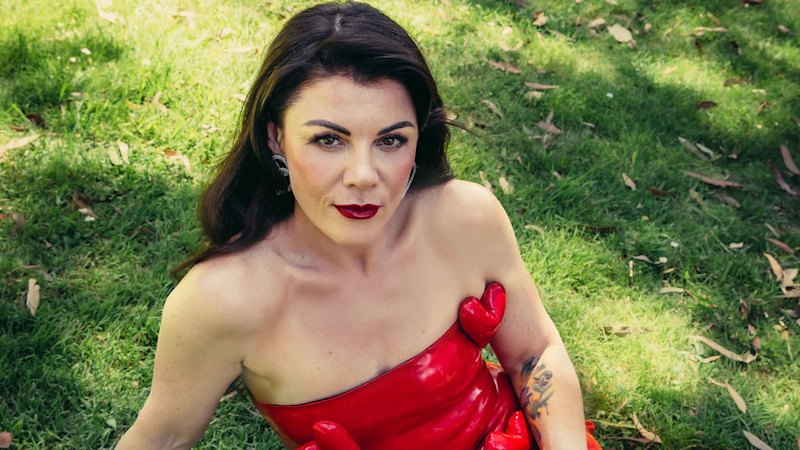
Comedian Em Rusciano describes how she previously saw herself as “broken” and a “lesser human,” believing she was only worthy if someone “chose” her. In the account, she says an autism diagnosis changes how she understands her experiences and influences the way she talks about identity, relationships, and acceptance.
The outlets frame the story around personal reflection and public-facing work. All three sources tie the diagnosis to a shift in Rusciano’s self-understanding and to her decision to address themes she presents as “lies” about women—particularly ideas that shape expectations about worth, desirability, and belonging. While the articles use similar language and focus on the same turning point, they largely differ in emphasis rather than in reported events, centering on how her diagnosis informs her broader commentary.
Overall, the coverage presents the diagnosis as a catalyst for change and for new themes in her comedy, without attributing specific new medical details or specific controversies beyond her stated beliefs and goals.