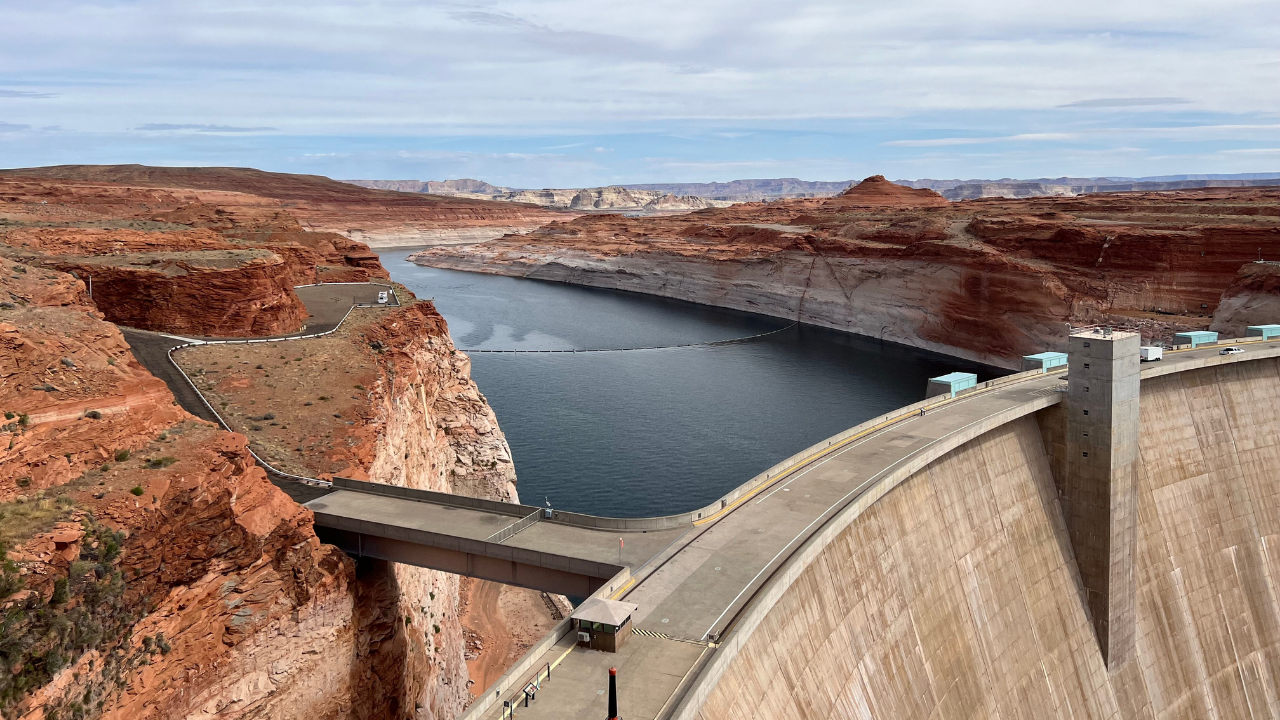
In 1996, scientists and engineers release controlled water from Glen Canyon Dam on the Colorado River to help restore Grand Canyon sandbars. The operation is designed to mimic natural river processes by moving sediment downstream, where sandbars have declined due to reduced sediment flow caused by the dam.
Outlets describe an eight-day flood tracking effort led by USGS, with the release measured at about 1,275 cubic metres per second. Monitoring teams measure how the channel changes during and after the release, including repeated surveys across roughly 120 cross sections. Times of India reports early results show sandbars and sediment features rebuild during the flood window, indicating the approach can work for short-term restoration. However, the coverage also notes that gains do not fully persist because sediment remains blocked, limiting longer-term sandbar maintenance. The event is presented as an important test case for using dam operations to support ecological restoration, informing later experiments and monitoring strategies.