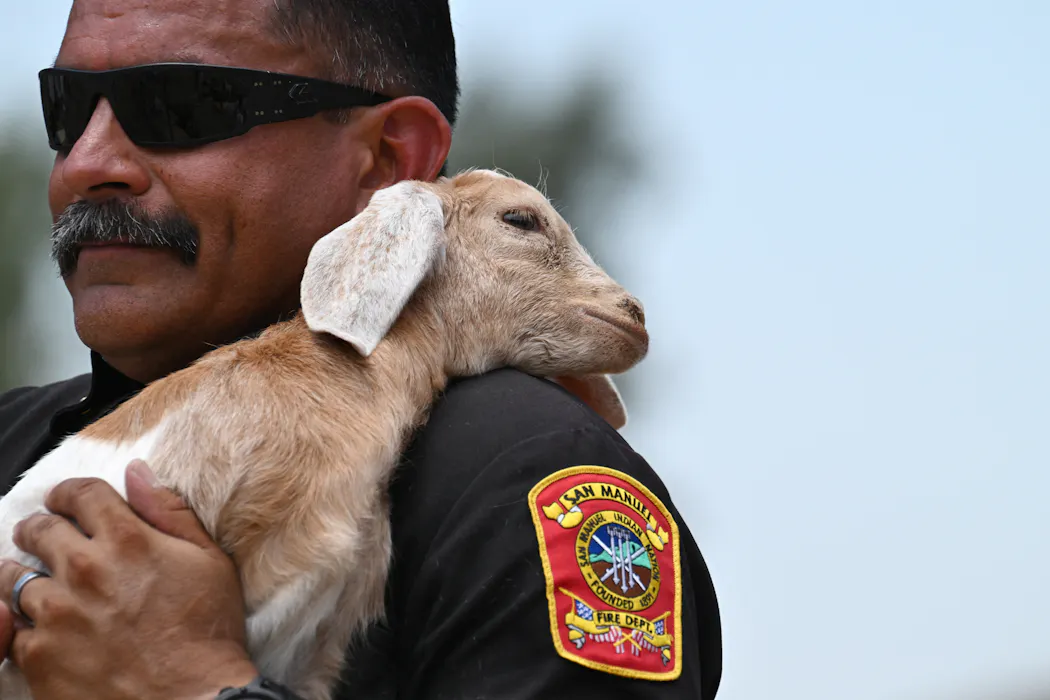
Targeted grazing—often called “pyrograzing” when animals are used to manage vegetation that would otherwise burn—is being explored as a way to lower wildfire risk in parts of the American West. Reports describe cattle, goats and sheep being put on grasslands to reduce the amount of dry, flammable plant material by eating and trampling vegetation.
Both outlets link the growing interest to rising wildfire threats and the difficulty of managing fuels in places where mechanical treatments are challenging. The Conversation highlights that using grazing is not a straightforward substitute for other fire-prevention tools, noting that results can depend on site conditions, grazing plans and how quickly vegetation regrows. Phys.org emphasizes the practical “fire prevention crew” framing, describing how animals reduce fuel loads by breaking up tall grasses and consuming plants that could otherwise carry fire. While both agree the approach can help reduce catastrophic risk, they differ in emphasis—one focusing on the broader reasons adoption remains limited on public lands, the other on the observable vegetation-reduction effects.
Overall, the story presents targeted grazing as a growing but not universally adopted fuel-management strategy, with ongoing discussion about where it works best and what constraints shape its use.