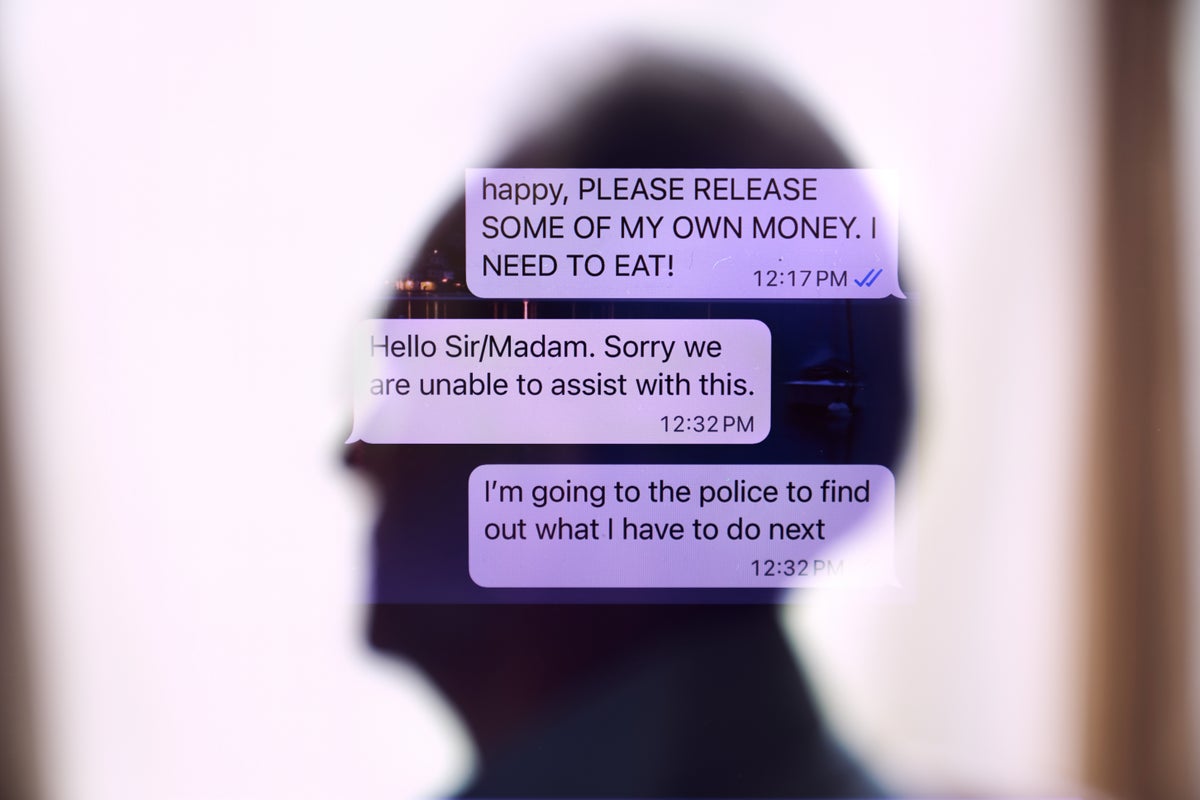
New polling data indicates scam activity in the United States is at a record high, with virtually every American reporting being targeted in some way. The reporting highlights that many people who fall victim to scams do not receive meaningful assistance afterward.
The accounts also note that some victims experience further losses after reporting initial fraud, suggesting gaps in how help is provided and how cases are resolved. While the outlets focus on the broader scale of targeting and the impact on victims, they also converge on a common theme: underreporting and limited support contribute to poor outcomes. The Independent emphasizes the polling finding that most victims get no help, while the Winnipeg Free Press repeats the same overall conclusions drawn from the data.
Across the sources, the differing emphasis is mainly on framing—general record-high prevalence versus the practical consequences for victims—but both point to the same underlying results from the polling and the same concerns about assistance and follow-up.