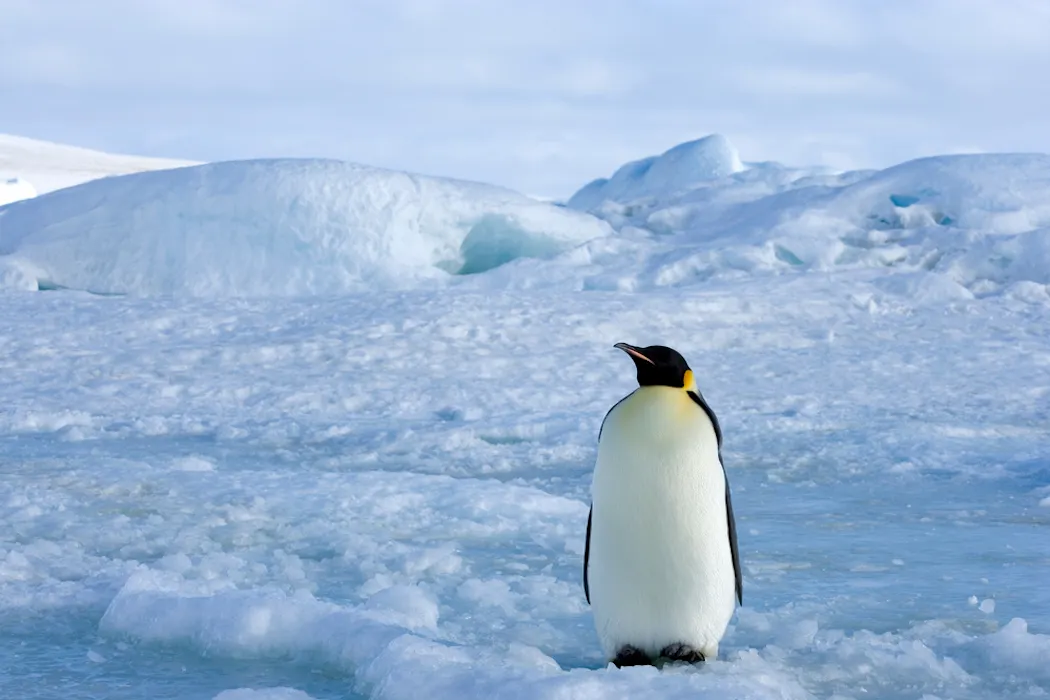
Researchers at Durham University use freely available satellite radar data to track emperor penguins during Antarctica’s polar winter, when visual monitoring is difficult. The approach gives a year-round view of penguins’ movement patterns through the dark months.
The work is aimed at improving understanding of a critical stage in the birds’ breeding cycle. Emperor penguins depend on stable sea ice that is attached to the coastline for about nine months, which provides the platform needed for breeding and for raising chicks. Monitoring during winter matters because this is the period when the breeding process unfolds and when reliable habitat conditions are essential.
Both outlets describe the development as a breakthrough for winter tracking using radar rather than conventional observation methods. While the accounts emphasize different implications—one highlights the first application of the method for year-round movement tracking, and the other focuses on how it changes scientific understanding of the species—they align on the central point: satellite radar allows researchers to monitor emperor penguins during times previously hard to observe, supporting conservation-relevant knowledge for an endangered species.