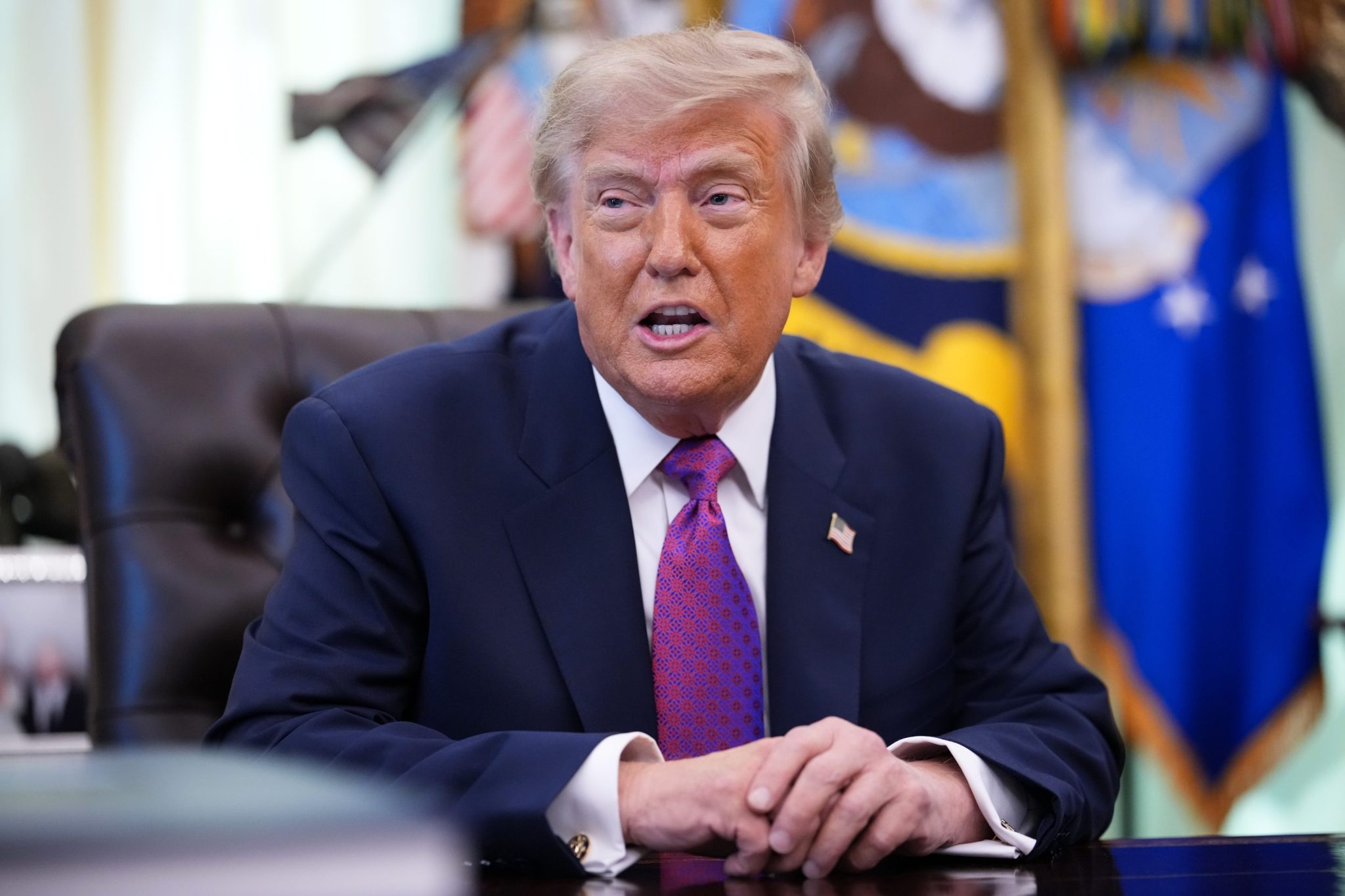
Trump proposes a new federal pay plan under which many federal employees would not receive a raise, while “critical employees” would be eligible for targeted increases. Multiple reports describe the proposal as aiming to control federal labor costs, with Trump framing it as a response to inflation and economic pressures facing the broader public.
Workers and labor advocates cited in the coverage warn that denying most employees a raise could worsen retention by reducing incentives to stay in federal jobs. They argue that the plan could lead to staffing shortages if pay growth is limited outside a narrow group of positions, increasing the likelihood that more experienced staff leave for other sectors.
The outlets differ mainly in emphasis: one highlights Trump’s stated justification about fairness and inflation, while other reporting spotlights concerns from employees about a potential “retention crunch.” The core points across the coverage remain the same—targeted pay increases for certain roles and limited or no raises for most federal positions, alongside warnings about impacts on workforce stability.