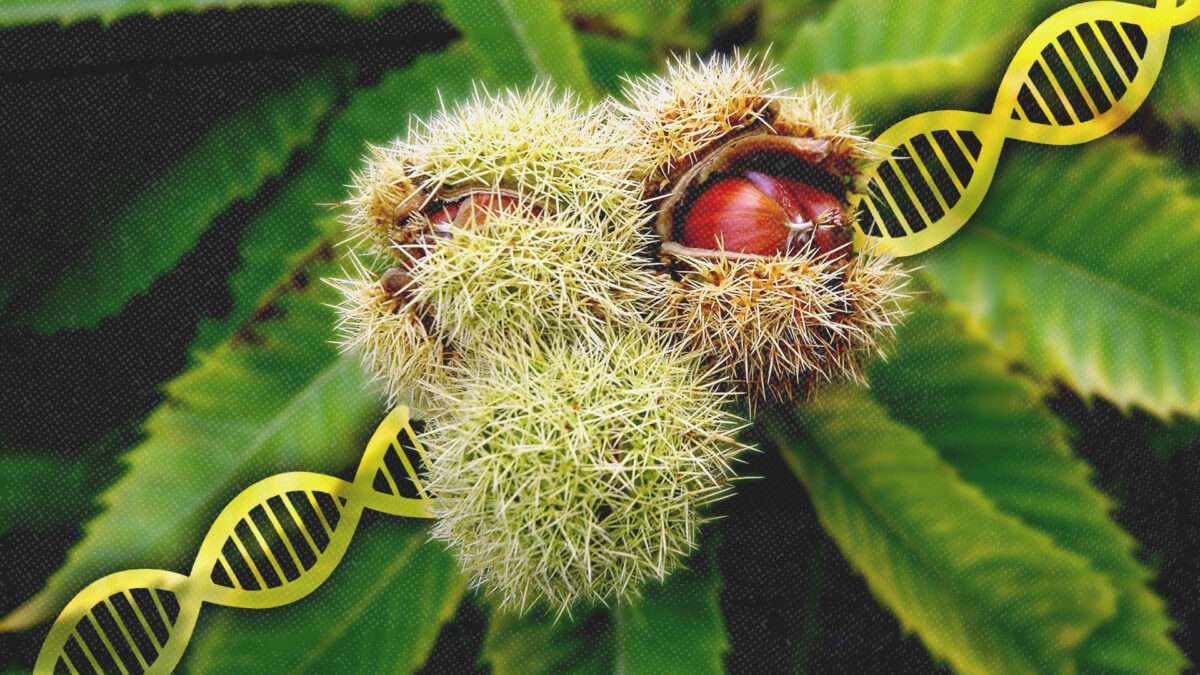
The U.S. Department of Agriculture approves a plan to release a bioengineered American chestnut tree designed to help restore the species after it was driven close to extinction by blight. The approval allows the trees—engineered to resist the chestnut blight fungus—to be grown and released as part of an effort to reintroduce the species into native ecosystems.
The decision is also being discussed as a potential precedent for future approvals of other genetically engineered organisms intended for environmental restoration. Outlets differ in emphasis: some focus on the potential impact on American chestnut recovery and forest health, while others highlight the broader regulatory and ecological implications of approving engineered organisms for release into the wild. The coverage reflects both the scientific goal of blight resistance and the policy question of how such releases may shape future decisions for bioengineered products in open environments.