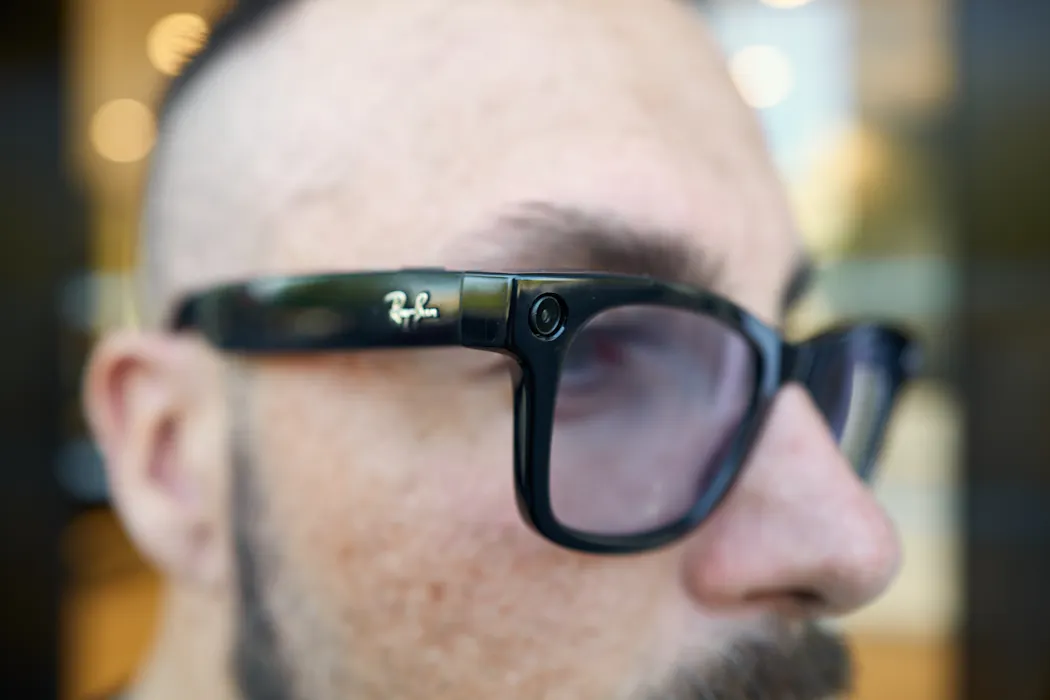
Businesses and some local councils in Australia increasingly restrict customers’ use of “smart glasses,” typically in response to concerns that the devices could covertly record people in public spaces. The core issue is whether companies can lawfully impose outright bans or set conditions on customers’ behavior when using wearable cameras or similar features.
Across outlets, the discussion focuses on legal risk and workable alternatives. One view highlights that restrictions are spreading, with businesses and councils acting to address privacy and discomfort from potential recording. Another emphasizes that an absolute ban may be difficult to justify under Australian legal principles and that courts or regulators may expect restrictions to be proportionate and connected to a legitimate privacy or safety purpose. Safer approaches discussed include clear signage, limiting use in specific areas, requiring visible indicators, or setting rules that reduce the chance of covert recording.
While the outlets align that privacy concerns are driving the policy changes, they differ in emphasis: one spotlights the practical trend of bans and restrictions, while the other examines the legal framework and suggests less risky, more tailored methods.