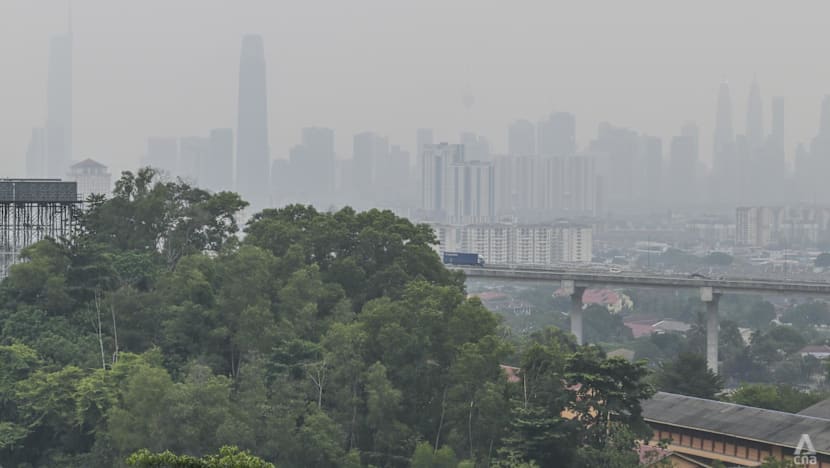
Malaysia is calling on ASEAN to rethink and strengthen its approach to transboundary haze, arguing that the bloc needs tougher action to reach its 2030 goal of a haze-free region. The request comes more than two decades after ASEAN adopted its transboundary haze agreement, which sets out cooperation mechanisms to prevent and control land and forest fires that drive cross-border smoke.
Across sources, experts say the central difficulty is turning commitments into enforceable outcomes. They point to long-standing obstacles, including limits in accountability and enforcement, differing national interests among member states, and the political and practical challenges of addressing the causes of fires. While ASEAN has a framework for cooperation, experts suggest that without clearer responsibilities and stronger mechanisms to ensure compliance, repeated haze episodes are likely to continue.
The outlets frame Malaysia’s position as a push for increased pressure within ASEAN, but they also stress that any overhaul faces familiar barriers within the regional system. The debate centres on how to improve follow-through on existing plans, rather than whether ASEAN has a haze policy. Overall, the reports indicate that reaching the 2030 target will require both stronger measures and greater alignment among member countries.