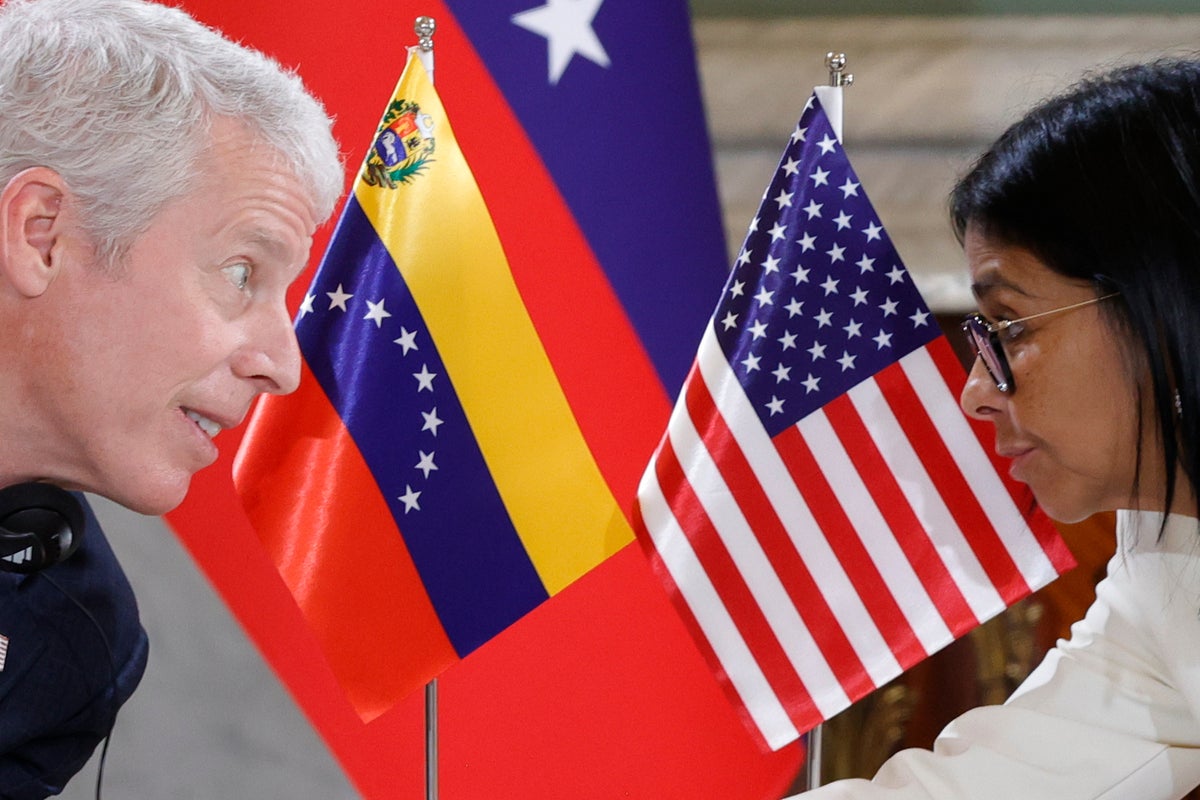
Venezuela reaches an agreement that would give the United States control of roughly one-fifth of the country’s oil reserves, a move that triggers significant public backlash. Multiple outlets report that many Venezuelans view the deal as a surrender of national resources rather than a business or diplomatic arrangement.
The reports describe the timing as occurring during a period of political uncertainty, noting that Acting President Delcy Rodríguez is associated with the agreement. Both outlets frame the reaction primarily through the lens of national pride, emphasizing that Venezuela holds some of the world’s largest oil reserves and that the proposed share granted to the U.S. is substantial.
While both accounts focus on the domestic response and the approximate scale of the reserves involved, they do not provide a unified breakdown of the deal’s legal terms, enforcement mechanisms, or revenue arrangements in the excerpts provided. Instead, they converge on the core points: the reported quantity of reserves, the U.S. role in controlling them, and the widespread perception in Venezuela that the arrangement reflects a loss of sovereignty.