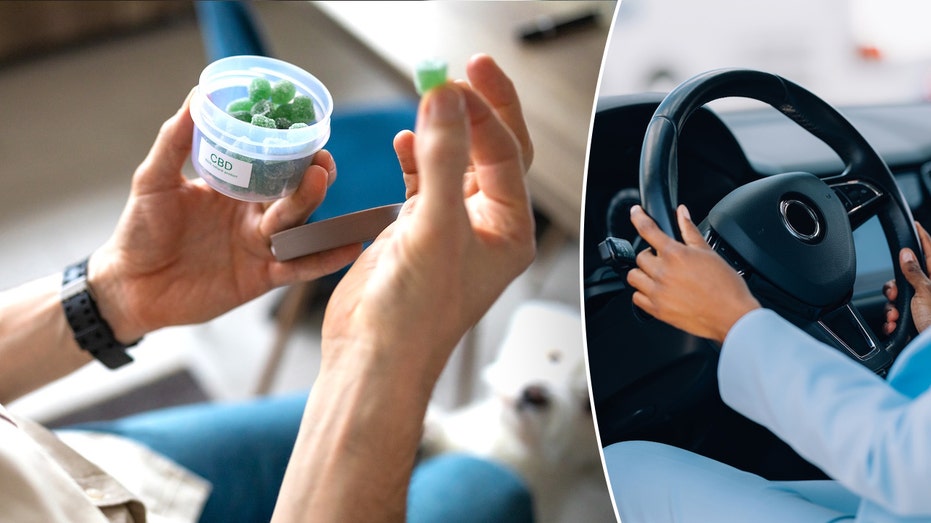
A new analysis raises concerns that standard roadside or lab tests may not fully capture driving risk for some marijuana users. The report focuses on differences between THC measurement and actual impairment, particularly for people who use cannabis edibles.
Across sources, researchers compare THC levels among users of different cannabis products and find that edible users can register lower THC readings than smokers while showing similar driving impairment. This suggests that current testing approaches—often centered on detecting THC or its presence—may miss aspects of impairment linked to how cannabis is consumed and processed in the body.
The coverage also notes that the finding points to a potential road-safety limitation rather than a claim that impairment is absent when THC readings are low. Instead, it highlights the possibility that additional biomarkers or testing methods may be needed to better reflect impairment across routes of administration, including edibles.