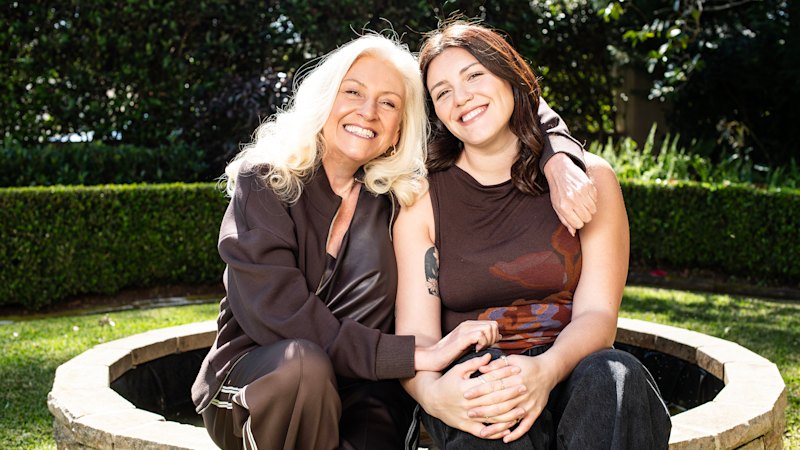
Multiple Australian outlets publish a parenting analysis arguing that longer home living for adult children in their 20s is not necessarily a sign of failure. The pieces frame the issue through the experiences of “midlife parents” who describe how support needs can differ from earlier parenting norms.
The articles present modern intergenerational challenges, including changing expectations for independence and the pressures adult children may face when transitioning to work or study. All three outlets describe the topic as part of a broader series examining contemporary parenting and how families navigate evolving social and economic conditions. While the framing emphasizes the potential value of support and stability, the articles do not present a single universal model for how long children should live at home, instead highlighting that outcomes depend on circumstances and the nature of the support.
Across the outlets, the central angle is similar: supporting adult children for longer can be part of healthy family functioning rather than a definitive measure of personal or financial readiness. Differences among the sources are limited in the provided text, which focuses on the shared argument and series context rather than on detailed disputes.