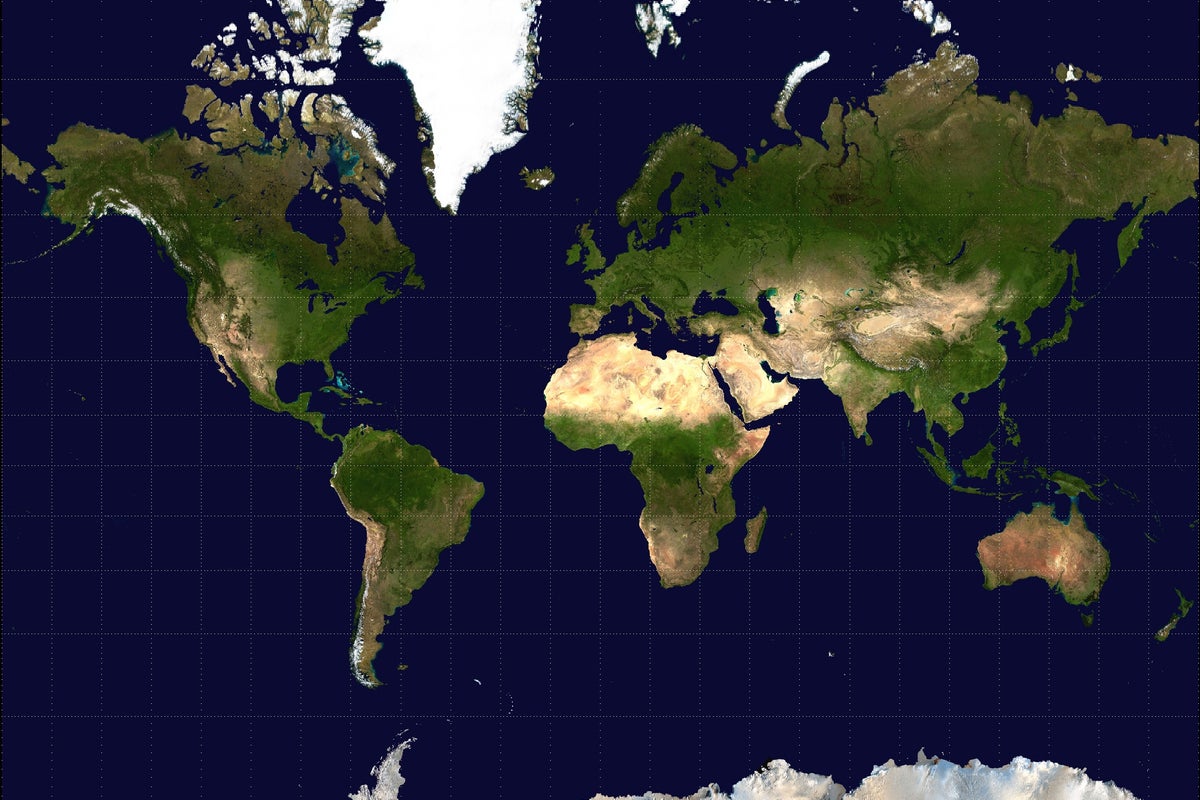
The United Nations votes to adopt a new world map designed to better reflect the true sizes and shapes of countries, addressing long-standing criticisms of the commonly used Mercator projection. The change responds to calls that Mercator distorts global geography by exaggerating areas farther from the equator and by presenting the world in a way that can make some Western nations appear more dominant.
The vote follows an Africa-led campaign urging governments, schools and technology firms to shift away from the centuries-old projection. Al Jazeera and The Independent both describe the Mercator map as visually misleading, particularly in how it centralises Western countries and distorts proportions across regions. While the reports focus on the motivations behind the move—accuracy in representation and broader educational value—both agree on the core outcome: the UN’s adoption of an alternative world map intended to portray the planet more faithfully.